
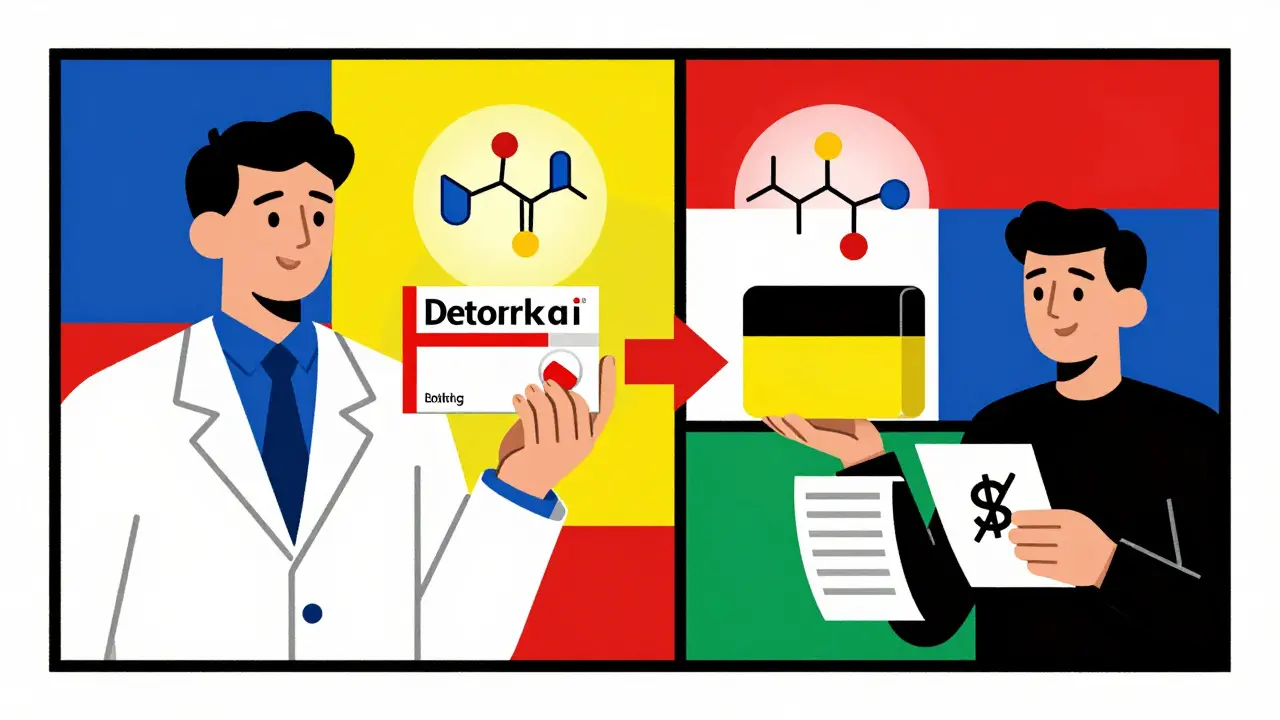
When a patient walks into the pharmacy with a prescription for a brand-name drug, the pharmacist has more options than just swapping in any generic. One of the most underused-but often safest-choices is the authorized generic. It’s not just another generic. It’s the exact same pill, made by the same company that made the brand, but sold without the brand name on the label. For many patients, this is the best possible substitute.
What exactly is an authorized generic?
An authorized generic is the brand-name drug, manufactured by the original company or under its direct permission, but sold under a different label. Think of it like this: if the brand-name drug is a Coca-Cola in a red can, the authorized generic is the exact same soda, poured into a plain black can. Same recipe. Same ingredients. Same quality control. Just no logo.
Unlike regular generics, which must prove they’re bioequivalent through testing, authorized generics are identical from the start. They use the same active ingredients, same fillers, same coatings, even the same manufacturing line. The FDA requires the brand company to report these products quarterly, and as of September 2023, there were 257 authorized generics on the list. Most are oral tablets or capsules-87% of them-and they’re often available right when the first generic hits the market.
When should you recommend an authorized generic?
Not every patient needs one. But for certain cases, it’s not just a good idea-it’s the best choice.
- Patients with allergies or dietary restrictions: If someone has celiac disease, they can’t tolerate gluten. If they’re vegan, they avoid gelatin or lactose. Many regular generics use fillers or binders that differ from the brand. But an authorized generic? It uses the same inactive ingredients as the brand. So if the brand was safe for them, the authorized version is too.
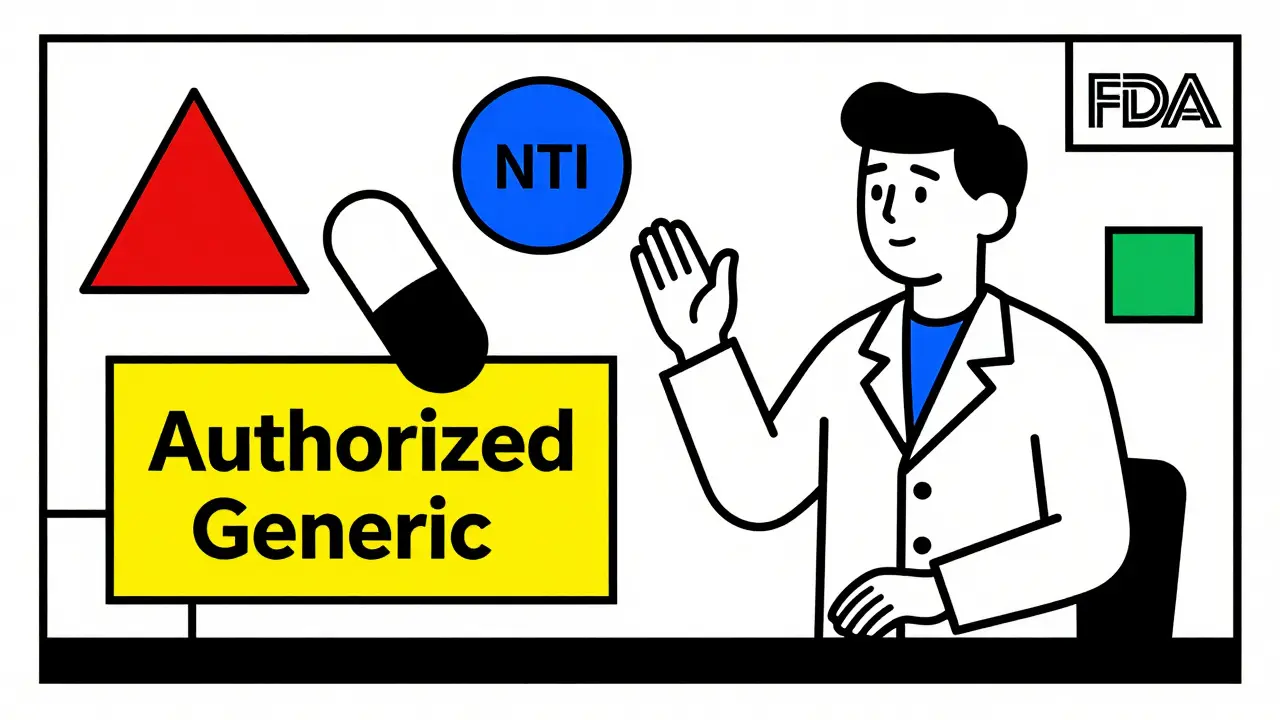
- Narrow therapeutic index (NTI) drugs: These are medications where tiny changes in blood levels can cause serious problems. Think warfarin, levothyroxine, or phenytoin. Studies show 3-5% of patients on NTI drugs experience issues when switched to a regular generic. Why? Even small differences in absorption can throw off dosing. Authorized generics eliminate that risk because they’re chemically identical.
- Modified-release formulations: Drugs designed to release slowly over time-like extended-release metformin or verapamil-are tricky. Regular generics may not perfectly match the release profile. Authorized generics don’t have that problem. They’re made the same way, with the same coatings and layers.
- Patients who had a bad reaction after switching: A 2021 survey of over 1,200 pharmacists found that 12% of patients reported unexpected side effects or reduced effectiveness after switching to a regular generic. Often, the issue isn’t the active drug-it’s a filler, dye, or coating they didn’t tolerate. Switching back to the brand isn’t always affordable. An authorized generic is the perfect middle ground.
How to spot an authorized generic
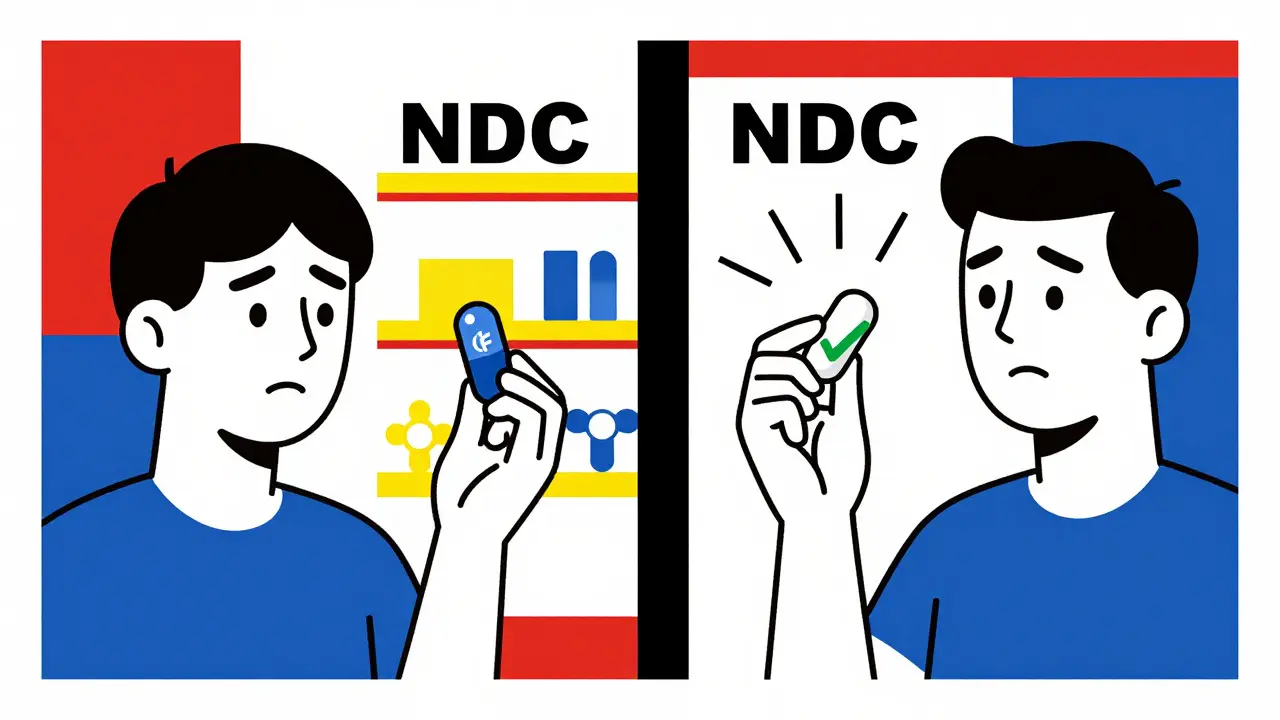
You can’t tell by looking at the pill. A brand-name drug might be a white oval, and the authorized generic could be a blue capsule. But the inside? Identical.
Here’s how to verify:
- Check the FDA’s List of Authorized Generic Drugs, updated quarterly. It lists the brand name, the manufacturer, and when it entered the market.
- Look at the National Drug Code (NDC). Authorized generics share the same active ingredient and strength as the brand, but their labeler code matches the brand manufacturer (like Pfizer or Merck) or an authorized partner (like Prasco or Greenstone), not a typical generic maker.
- Ask your wholesaler. Some authorized generics are only distributed through certain suppliers. For example, Prasco’s products are often available through AmerisourceBergen and Cardinal Health, but not McKesson.
Cost savings-real or illusion?
Authorized generics typically cost 20-80% less than the brand. That’s a big win. But here’s the catch: insurance plans don’t always treat them like generics.
A 2022 study found that 63% of pharmacy benefit managers (PBMs) put authorized generics on the brand tier, not the generic tier. That means patients might pay more out of pocket than if they’d gotten a regular generic-even though the medication is identical. Always check the patient’s formulary. Sometimes, the authorized generic is cheaper. Sometimes, it’s not. But it’s always safer than a regular generic for high-risk patients.
What to tell your patients
Patient confusion is the biggest barrier. If they’ve always taken a white pill, and now they’re handed a blue one, they might think it’s wrong. Or worse-they might stop taking it.
Here’s what to say:
- “This is the same medicine you’ve been taking. The company that made your brand is making this one too.”
- “The color or shape changed because we’re using a different label, not because the medicine is different.”
- “This version has the exact same ingredients, including the fillers and coatings, so if your body tolerated the brand, you’ll tolerate this.”
- “You’ll save money-often a lot-without changing how the drug works.”
A 2022 study in the Journal of Managed Care & Specialty Pharmacy showed that 27% of patients stopped their medication after a pill appearance change. But when pharmacists explained it clearly, only 8% stopped. Counseling makes the difference.
What you need to watch out for
Authorized generics aren’t magic. They’re not available for every drug. Only about 5% of brand-name medications have them. And while they’re generally safe, always double-check:
- Is the authorized generic truly identical? Rarely, a manufacturer may tweak the formulation slightly when launching it. The FDA requires disclosure, but it’s not always obvious.
- Is the packaging different? Some authorized generics come in blister packs instead of bottles, or have different labeling. That can affect adherence. Explain it.
- Does insurance cover it as a generic? If not, the patient might pay more than expected. Always verify copay before dispensing.
The future of authorized generics
The number of authorized generics has grown 18% per year since 2010. More are coming. Consumer searches for the term have jumped 47% in just one year. Patients are asking about them. And with new legislation like the Affordable Insulin Now Act, we may see more authorized versions of high-cost drugs.
Pharmacists are in the best position to guide patients through this. We’re not just filling prescriptions. We’re making sure the right drug gets to the right person-safely, affordably, and effectively. For patients with allergies, chronic conditions, or those who’ve had bad experiences with generics, an authorized generic isn’t just an option. It’s the smartest choice.
Are authorized generics the same as regular generics?
No. Regular generics must prove they’re bioequivalent to the brand through testing, and they often use different inactive ingredients. Authorized generics are made by the brand company or under its direct license, using the exact same formula, active ingredients, and inactive ingredients. They’re not just similar-they’re identical.
Can I substitute an authorized generic without asking the prescriber?
In most states, yes-if the prescription doesn’t say "Do Not Substitute." Federal law allows substitution, and 42 out of 50 U.S. states permit pharmacists to switch to authorized generics without prescriber approval. But 18 states require notification to the prescriber for any generic substitution, including authorized ones. Always check your state’s rules.
Why do authorized generics cost less than the brand if they’re the same?
Because they’re sold without marketing, advertising, or brand-name packaging. The manufacturer doesn’t pay for TV ads or fancy labels. They cut the overhead and pass the savings to the pharmacy and patient. The drug inside is identical, but the cost structure is different.
Do authorized generics appear in the Orange Book?
No. The Orange Book only lists drugs approved through the ANDA process. Authorized generics aren’t submitted as separate applications-they’re considered therapeutically equivalent to the brand because they’re identical. So they don’t get their own entry. But the FDA maintains a separate, official list of authorized generics that pharmacists should use instead.
Can authorized generics help patients with religious or dietary restrictions?
Yes. For example, some patients avoid gelatin (due to religious beliefs), lactose (due to intolerance), or gluten (due to celiac disease). Many regular generics change inactive ingredients to cut costs, but authorized generics keep the same formulation as the brand. If the brand was safe for their needs, the authorized version will be too. Always verify the inactive ingredients using the FDA’s list or the manufacturer’s documentation.

Sam Pearlman
February 16, 2026 AT 14:16Steph Carr
February 17, 2026 AT 03:16Tony Shuman
February 17, 2026 AT 15:44Logan Hawker
February 18, 2026 AT 20:59James Lloyd
February 18, 2026 AT 21:20Digital Raju Yadav
February 19, 2026 AT 16:29Carrie Schluckbier
February 20, 2026 AT 02:20guy greenfeld
February 21, 2026 AT 12:23Adam Short
February 23, 2026 AT 01:53Prateek Nalwaya
February 23, 2026 AT 09:53Agnes Miller
February 24, 2026 AT 17:23Geoff Forbes
February 25, 2026 AT 10:21