
Drug Shortages: Why They Happen and How They Affect Your Medications
When a drug shortage, a situation where there isn't enough of a medication to meet patient demand. Also known as medication supply crisis, it can leave patients without access to life-saving treatments. This isn’t just a hospital problem—it hits families, seniors on fixed incomes, and people managing chronic conditions every day. You might not hear about it on the news, but if you’ve been told your prescription is unavailable or switched to a different pill, you’ve felt it.
Drug shortages aren’t random. They’re tied to the pharmaceutical supply chain, the complex network of manufacturers, raw material suppliers, and distributors that make medications. Most generic drugs are made overseas, often in just one or two factories. If one plant has a quality issue, a power outage, or a regulatory shutdown, the whole country can run out. The generic drug shortages, when common, low-cost medications become unavailable hit hardest because there’s little room for backup. Think metformin for diabetes, levothyroxine for thyroid issues, or even basic antibiotics like amoxicillin. These aren’t luxury drugs—they’re daily necessities.
It’s not just about running out. When a drug is scarce, prices spike, substitutions get made without proper oversight, and patients end up with side effects or ineffective treatments. A shortage of a heart rhythm drug like dofetilide? That’s not just inconvenient—it’s dangerous. And when pharmacies can’t get the right version of a medication, pharmacists have to make tough calls: give you a different brand, delay your refill, or send you to another pharmacy. None of those options are ideal.
What’s worse, these shortages often hit people who need the most help: older adults, cancer patients, and those with multiple chronic conditions. If you’re on several meds, one shortage can throw your whole regimen off. And because many of these drugs are generics, insurance doesn’t always help—you’re stuck paying full price for whatever’s available.
But here’s the good news: you’re not powerless. Knowing the signs of a shortage, asking your pharmacist what’s happening, and keeping a backup supply when possible can make a real difference. The posts below dive into real cases—from why some medications vanish without warning, to how manufacturers and regulators respond, to what you can do when your prescription disappears. You’ll find practical advice on spotting fake pills, understanding why generic prices vary, and how to talk to your doctor when your usual drug isn’t there. This isn’t theory. It’s what’s happening right now, and how to protect yourself.
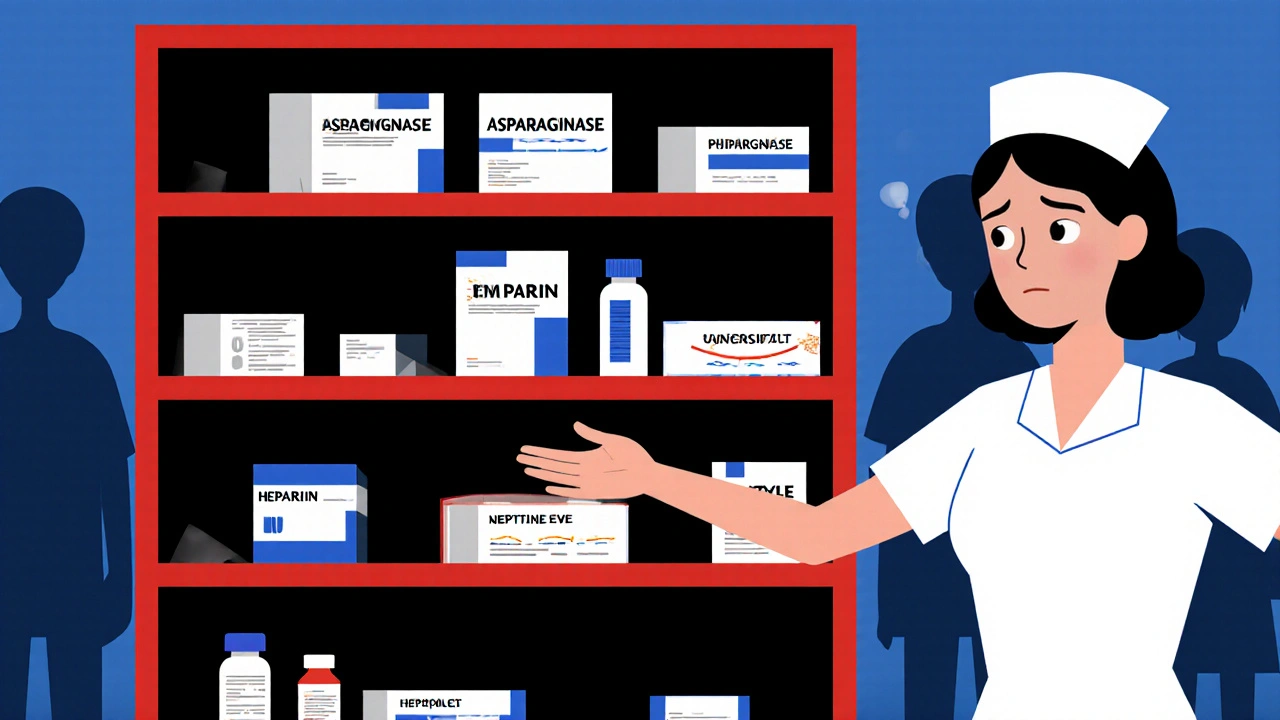
How Drug Shortages Are Delaying Treatments and Endangering Patients
Nov 24 2025 / Health and WellnessDrug shortages are delaying cancer treatments, increasing errors, and forcing patients to skip doses. With over 250 medications in short supply in 2025, the impact on patient care is severe-and growing.
VIEW MORE