
Overdose Prevention: How to Recognize, Avoid, and Respond to Drug Overdoses
When someone takes too much of a drug—whether it’s prescription, illegal, or even an over-the-counter pill—it can stop their breathing, shut down their heart, and kill them in minutes. Overdose prevention, the practice of reducing the risk of life-threatening drug reactions before they happen. Also known as drug safety planning, it’s not just for people who use street drugs—it matters for anyone taking painkillers, sleep aids, or anxiety meds. The truth is, most overdoses aren’t intentional. They happen because someone didn’t know a pill was stronger than expected, mixed meds with alcohol, or took an extra dose thinking it would help more.
Naloxone, a fast-acting medication that reverses opioid overdoses. Also known as Narcan, it’s now available without a prescription in most places and can be carried like an EpiPen. It doesn’t work on every drug, but for opioids like fentanyl, oxycodone, or heroin, it’s the difference between life and death. And you don’t need to be a doctor to use it. The instructions are printed right on the box. Medication safety, the habit of understanding how your drugs interact, what doses are safe, and when to stop. That’s why posts here cover things like how dofetilide and cimetidine can trigger deadly heart rhythms, why NSAIDs can suddenly damage kidneys in older adults, and how metformin needs dose adjustments if your kidneys slow down. These aren’t rare edge cases—they’re preventable tragedies.
Overdose prevention isn’t just about avoiding pills. It’s about knowing what’s in them. Fake pills sold as oxycodone or Adderall often contain fentanyl—so potent that touching them can be dangerous. That’s why posts on counterfeit medications and how to verify NDC numbers matter. If you’re giving meds to an elderly parent, managing a teen’s ADHD prescription, or helping someone recover from addiction, you need to know the signs: blue lips, slow breathing, unresponsiveness. And you need to know what to do next—call 911, give naloxone, stay with them until help arrives.
This collection brings together real-world guidance from doctors, pharmacists, and families who’ve been there. You’ll find advice on how to store meds safely, how to talk to a loved one about risky use, and which medications require special monitoring because of hidden dangers. No fluff. No fearmongering. Just what you need to keep yourself and others alive.
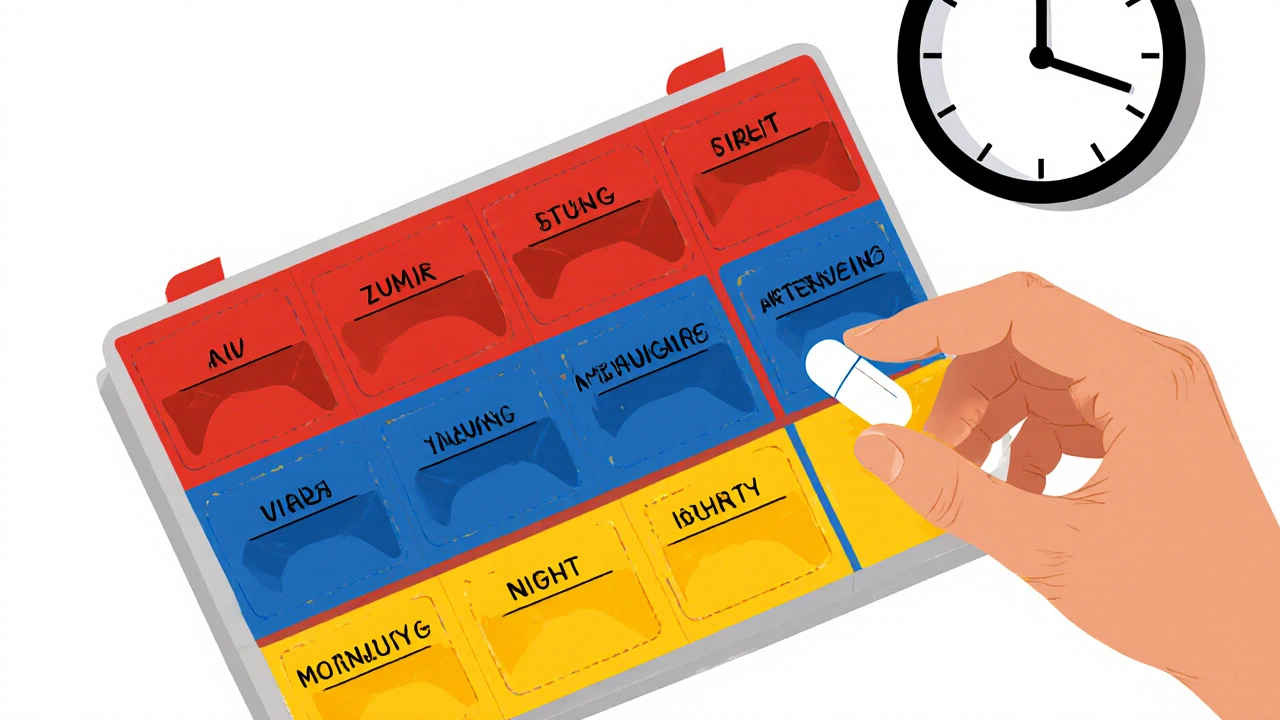
How to Prevent Accidental Double-Dosing of Medications at Home
Nov 26 2025 / MedicationsAccidental double-dosing of medications at home is a leading cause of preventable overdose. Learn simple, proven strategies-like using pill organizers, digital reminders, and medication lists-to keep yourself or your loved ones safe.
VIEW MORE