
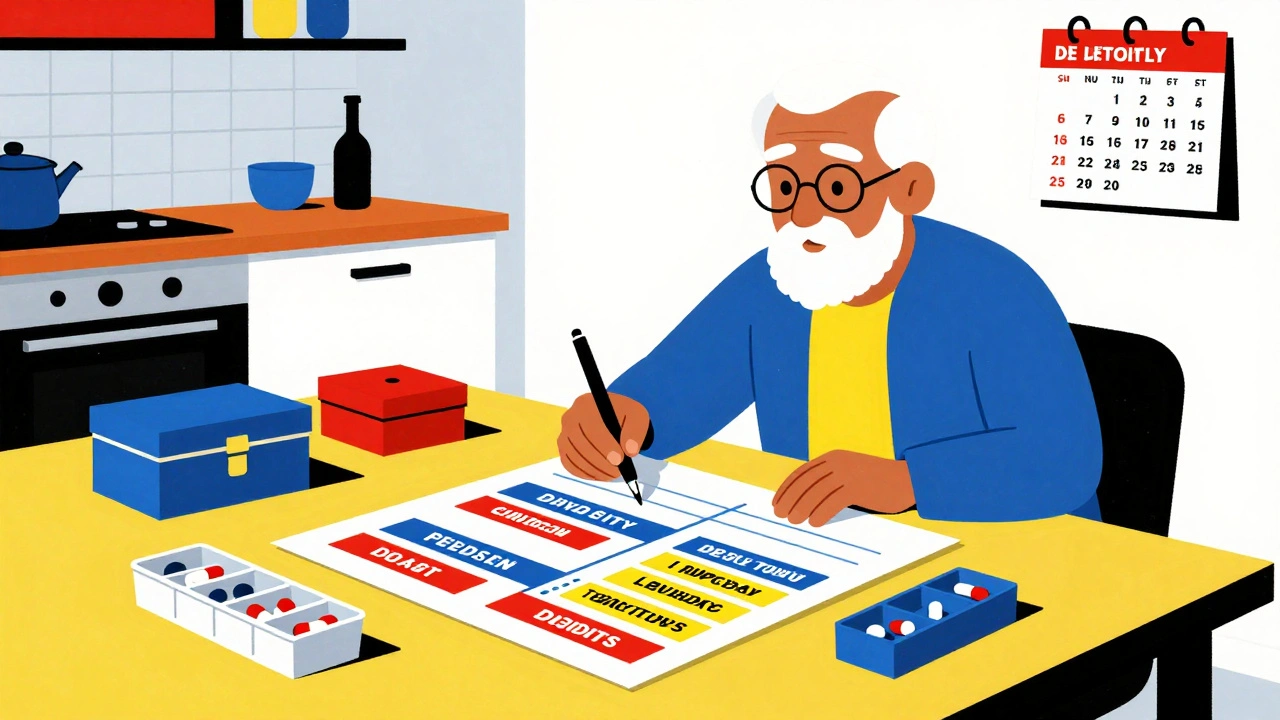
Every year, thousands of people end up in hospital because of something as simple as taking the wrong pill at the wrong time. It’s not always a mistake - sometimes it’s confusion, missed appointments, or a lack of clear communication between you and your doctors. But here’s the good news: you don’t have to wait for something to go wrong. You can build a personal medication safety plan - one that works for you, your family, and your care team - and stop problems before they start.
Start with a Complete List of Everything You Take
You’d be surprised how many people forget about the little things. That daily vitamin. The ibuprofen you take for your knees. The herbal tea your cousin swears helps with sleep. These aren’t harmless. They can interact with your prescriptions in ways you never expect. Start by writing down every single thing you take, in any form. Prescription meds, over-the-counter drugs, supplements, vitamins, creams, patches, even eye drops. Include the name, dose, how often you take it, and why you take it. Don’t guess - check the bottle. If you’re not sure what something is for, write “not sure” next to it. That’s fine. This list isn’t for judging. It’s for clarity. Keep this list in your wallet, phone notes, or printed and taped to your fridge. Update it every time you start or stop something. Even if it’s just a one-week course of antibiotics. Write it down. Then, bring this list to every doctor visit, pharmacy visit, or hospital check-in. Don’t assume they already know. They probably don’t.Ask Your Doctor and Pharmacist to Review It Together
Don’t just hand over the list and walk away. Sit down with your doctor or pharmacist and go through it line by line. Ask: “Is this still needed?” “Could this interact with anything else?” “Are there side effects I should watch for?” One common mistake is taking two meds that do the same thing - like two different painkillers with acetaminophen. You might not realize you’re doubling your dose until your liver starts to struggle. Or you might be on a blood thinner and taking fish oil, which increases bleeding risk. These aren’t rare. They’re predictable. And they’re preventable. Pharmacists are trained to catch these things. But they can’t help if they don’t know what you’re taking. Make this part of your routine. Schedule a medication review every six months, or whenever you see a new specialist. Even if you feel fine. That’s when the real work happens.Store Medications Safely - Locked, Labeled, and Out of Reach
Medications aren’t candy. They shouldn’t be sitting on the bathroom counter, next to your toothpaste, or in a drawer where anyone can grab them. If you have kids, teens, or visitors in your home, this isn’t optional. Use a locked box or cabinet. A simple lockable medicine box from the pharmacy works. If you live alone and are at risk of accidental overdose or confusion, consider a smart dispenser that only releases pills at set times. But even without tech, a locked cabinet is better than nothing. And label everything. Not just the original bottle - but your pill organizer too. Write the name, dose, and time clearly. Use big letters. Use color coding. Red for heart meds. Blue for blood pressure. Yellow for pain. If you have trouble reading, ask your pharmacist to print labels in large font or even add pictures. One caregiver told me her mother kept her heart medication in an unlabeled container next to her bed. She took it twice because she thought it was her blood pressure pill. She ended up in the ER. That could’ve been avoided with one label.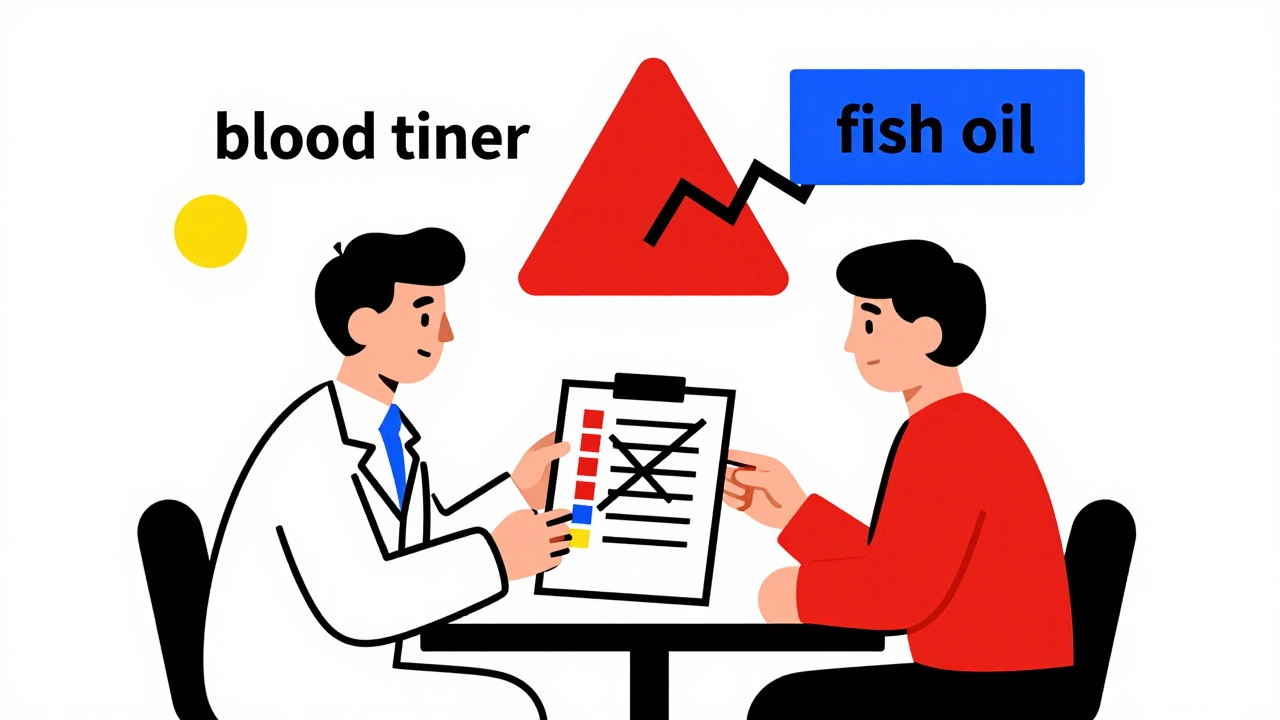
Create a Simple Daily Routine with a Pill Organizer
If you take more than three meds a day, you’re at higher risk of missing a dose or taking one twice. A pill organizer isn’t just a convenience - it’s a safety tool. Buy a weekly or daily compartment organizer. Fill it once a week, on the same day. Sunday mornings work well. Use a checklist to make sure you’re putting the right pill in the right slot. If you have trouble remembering, set a phone alarm labeled “Take meds” with a photo of the pill on the screen. For people with memory issues, keep it simple. Say out loud: “This is my blood pressure pill. I take it at 8 a.m. with water.” Say it every time. Repetition builds habit. And if you live alone, ask a friend or family member to check in once a week to make sure you’re using it right.Know What to Watch For - and When to Call for Help
Every medication has side effects. Some are mild - dry mouth, drowsiness. Others are dangerous - confusion, dizziness, swelling, unusual bleeding. Ask your doctor: “What’s the one side effect I should never ignore?” Write it down. Put it on your fridge. Tell someone you trust. For example, if you’re on a blood thinner, any fall - even a small one - could mean internal bleeding. If you’re on a diabetes med, shaking, sweating, or feeling faint could mean your blood sugar is crashing. Keep a notebook next to your meds. Jot down anything new: “Felt dizzy after lunch,” “Couldn’t sleep since I started this,” “Rash appeared.” Bring it to your next appointment. These notes help your care team spot patterns before they become emergencies.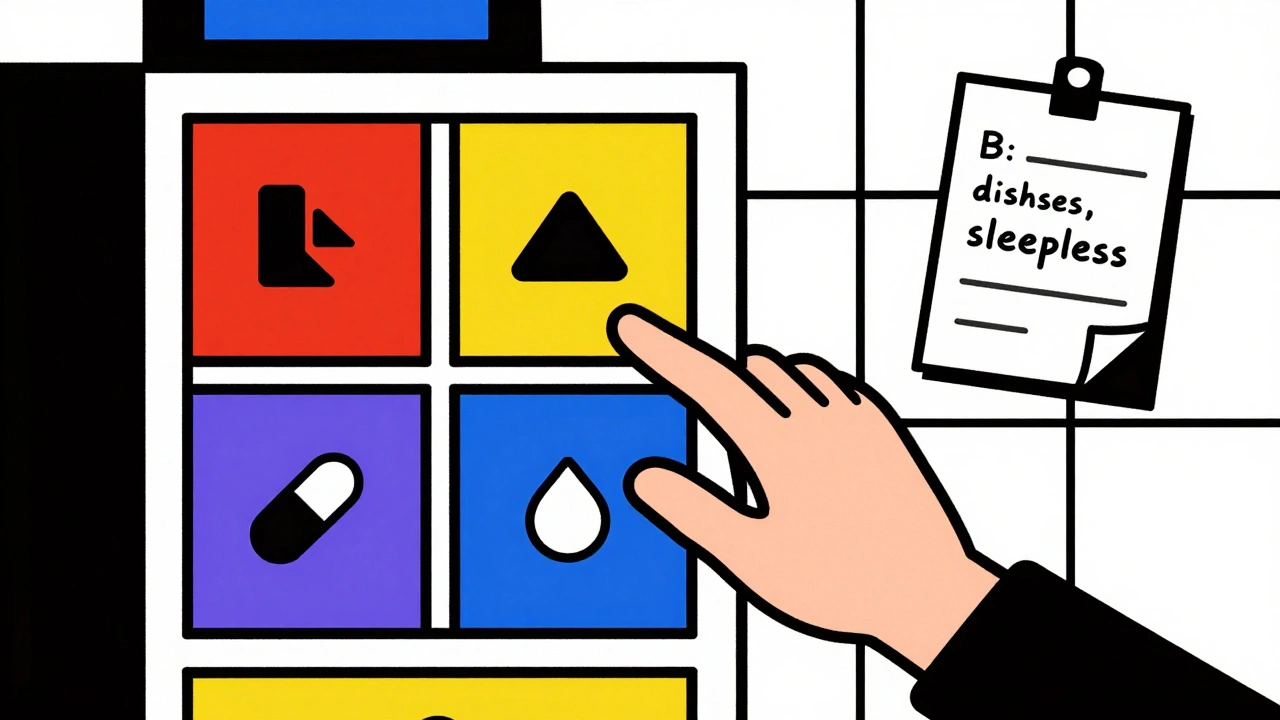
Plan for Emergencies - Before They Happen
What if you fall? What if you’re found unconscious? What if you’re rushed to the hospital and can’t speak? Your medication safety plan should include an emergency card. Write your name, emergency contact, and a list of your top three meds and why you take them. Include allergies. Put it in your wallet. Tape it inside your phone case. Tell your closest family member where it is. Also, make sure someone you trust knows how to access your meds. If you live alone and have trouble opening bottles, give a key to a neighbor or family member. Don’t wait for a crisis to decide who can help.Keep Talking - Even When Things Feel Fine
Medication safety isn’t a one-time task. It’s a habit. It’s checking in with your doctor every six months. It’s asking, “Is this still working?” It’s saying, “I didn’t feel right after I took this.” It’s correcting your list when you stop a pill or start a new one. Too many people think, “I’m fine, so nothing’s wrong.” But the worst mistakes happen when people assume everything’s under control. That’s when doses get doubled. When new meds are added without review. When old ones are forgotten. Your care team is there to help you stay safe - but they need you to be part of the team. You’re the only one who knows how you feel every day. Your voice matters.What If You Can’t Manage It Alone?
If you have dementia, memory loss, or physical limits that make managing meds hard, you’re not alone. And you don’t have to do it by yourself. Ask your doctor for a referral to a home care nurse or a medication management service. Many community health centers offer free or low-cost help with organizing pills and checking in. Family members can be trained to help. Some pharmacies even deliver pre-sorted blister packs with your name and schedule printed on them. The goal isn’t independence at all costs. The goal is safety. If you need help, ask for it. That’s not weakness. That’s smart.What should I do if I miss a dose of my medication?
Don’t double up unless your doctor says it’s safe. Check the patient information leaflet that came with your pill, or call your pharmacist. Some meds can be taken late, others need to be skipped. Writing down what to do for each medication ahead of time helps avoid panic.
Can I just stop a medication if I feel better?
No. Even if you feel fine, stopping a medicine like blood pressure or antidepressant drugs suddenly can cause serious side effects - rebound high blood pressure, seizures, or worsening symptoms. Always talk to your doctor before stopping anything.
Do I need to tell my doctor about vitamins and supplements?
Yes. Many people think supplements are harmless, but they can interfere with prescriptions. For example, St. John’s Wort can reduce the effect of antidepressants. Garlic supplements can thin your blood, which is risky if you’re on warfarin. Always list them - even if you think they’re “just natural.”
How often should I update my medication list?
Update it every time you start, stop, or change a dose - even if it’s just a one-time antibiotic. At minimum, review your full list with your doctor every six months. If you’re over 65 or have multiple conditions, do it every three months.
What’s the best way to dispose of old or expired meds?
Don’t flush them or throw them in the trash. Take them to your local pharmacy - most offer free take-back programs. If that’s not available, mix them with coffee grounds or cat litter in a sealed bag before tossing. This makes them unappealing and less likely to be picked up by kids or pets.
Can I use a smartphone app to manage my meds?
Apps can help with reminders and tracking, but they’re not a replacement for human oversight. If you’re older or have memory issues, a simple pill organizer and a family member checking in may be safer. Use apps as a tool, not a solution.



Larry Lieberman
December 10, 2025 AT 01:09Just started using a pill organizer after my grandma almost took her blood pressure med twice 🤦♂️ This post is a lifesaver. I set alarms with pics of each pill now - works like magic. Also locked everything in a tiny safe. My cat can’t steal my heart meds anymore 😅
Andrea Beilstein
December 11, 2025 AT 01:14Medication safety isn't about control it's about humility you're not the doctor you're not the pharmacist you're just the person whose body has to live with the consequences of every decision made in a 12 minute visit
So you write it down you label it you ask the questions even when you feel silly because the alternative is silence and silence kills more quietly than any overdose
Lisa Whitesel
December 11, 2025 AT 09:17People still forget vitamins and supplements are drugs too and no natural doesn't mean safe
St Johns Wort isn't tea it's a CYP450 inhibitor that can make your antidepressant useless or your birth control fail
Stop pretending your herbal nonsense is harmless
ian septian
December 12, 2025 AT 10:58Do the list. Lock it. Ask the questions. That's it. No fluff needed.
Simran Chettiar
December 12, 2025 AT 12:39It is indeed a profound realization that the human body operates not merely as a biological entity but as a complex ecosystem wherein pharmaceutical interventions must be harmonized with the subtle rhythms of daily life
Many individuals fail to comprehend that the ingestion of substances is not a mechanical act but a ritual of self-care that demands mindfulness and continuity
One must not treat medication as a transactional exchange but as a covenant with one's own vitality
Thus the act of labeling and organizing becomes not a chore but a sacred practice of honoring the fragility of existence
Rich Paul
December 13, 2025 AT 03:50Bro the whole thing is just overengineered
Most people dont even know what their med does and just take it because the doc said so
Just get a med reminder app and a lockbox done
Also stop using pill organizers if you got dementia they just get confused and dump the whole thing out anyway
Smart dispenser is the real MVP if you cant remember your own name
Angela R. Cartes
December 14, 2025 AT 20:36Ugh I hate how this post makes it sound like everyone should just 'do this' like it's easy
My mom has dementia and three different doctors and she still takes her meds at 3am because she thinks it's morning
And no I can't afford a smart dispenser
Also who has time to update a list every time they get a one week antibiotic??
This is rich people advice disguised as empowerment 🙄
precious amzy
December 15, 2025 AT 13:48One cannot help but observe the inherent paradox in this advocacy: the very act of externalizing responsibility for personal health through checklists, labels, and technological aids betrays a fundamental abdication of agency.
One must ask: if the individual cannot internalize the discipline required to manage their own pharmacological regimen, then perhaps the greater societal issue lies not in the absence of systems, but in the erosion of personal responsibility.
Are we to treat the human body as a machine to be programmed, or as a sentient entity deserving of cultivated awareness?
Perhaps the true safety plan is not in the box or the app, but in the quiet, daily act of remembering - not because we were told to, but because we chose to.