
NSAID Risks: What You Need to Know Before Taking These Common Pain Relievers
When you reach for ibuprofen, naproxen, or aspirin to ease a headache, sore back, or menstrual cramps, you’re using a nonsteroidal anti-inflammatory drug, a class of medications that reduce pain and inflammation by blocking enzymes in the body. Also known as NSAIDs, these drugs are among the most widely used over-the-counter medicines—but they’re not harmless. Many people think because they’re available without a prescription, they’re safe to take anytime. That’s a dangerous assumption.
NSAIDs can silently damage your stomach lining, the protective barrier that shields your digestive tract from acid. Long-term or high-dose use increases the risk of ulcers, internal bleeding, and even life-threatening perforations. It’s not just older adults—people in their 30s and 40s who take these pills daily for chronic pain are at risk too. The damage often shows up only after it’s too late, with symptoms like black stools, vomiting blood, or sudden sharp abdominal pain.
Then there’s your kidneys, organs that filter waste and regulate fluid balance. NSAIDs reduce blood flow to the kidneys, which can cause acute kidney injury, especially if you’re dehydrated, have high blood pressure, or already have kidney disease. This isn’t rare. Studies show NSAID-related kidney damage sends tens of thousands to the ER every year in the U.S. alone. And it’s not always reversible.
Even more alarming is the link to heart attack, a sudden blockage of blood flow to the heart muscle. Some NSAIDs, especially diclofenac and higher doses of ibuprofen, raise the risk of heart attack and stroke—even in people with no prior heart problems. The FDA has issued strong warnings about this, yet many still take them without knowing the danger. If you have high blood pressure, heart disease, or are over 65, you’re at higher risk—and you should talk to your doctor before using them regularly.
These risks aren’t theoretical. They show up in real people. Someone taking naproxen for arthritis every day ends up in the hospital with a bleeding ulcer. Another person with back pain starts using ibuprofen daily, then develops sudden kidney failure after a weekend hike. These aren’t edge cases—they’re common outcomes of ignoring the fine print.
What you’ll find in the posts below aren’t just warnings. They’re practical guides on how to use NSAIDs more safely, when to avoid them entirely, and what alternatives actually work. From mefenamic acid and its side effects to how these drugs interact with other medications, the collection gives you the facts without the fluff. You’ll learn how to spot the hidden dangers, recognize early warning signs, and make smarter choices for your body—without giving up pain relief altogether.
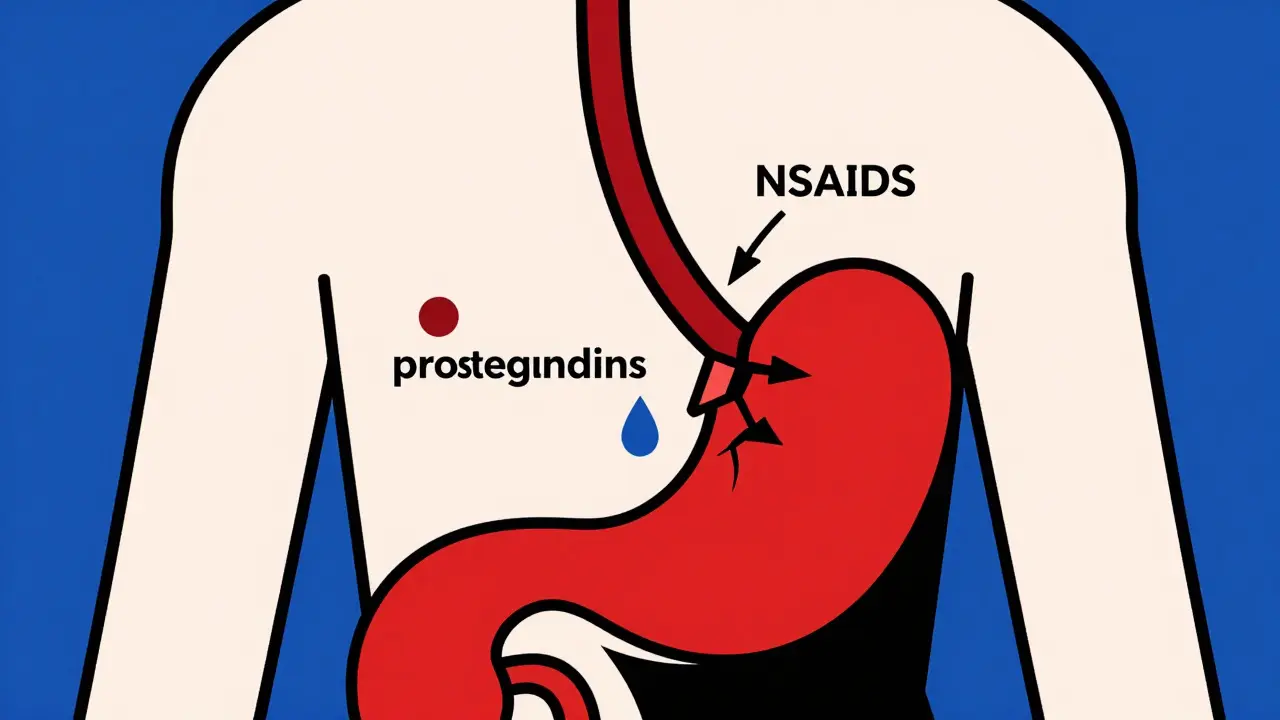
NSAID Safety: GI Risks, Kidney Effects, and Monitoring Protocols
Feb 22 2026 / MedicationsNSAIDs like ibuprofen and naproxen are common pain relievers, but they carry serious risks to the stomach and kidneys. Learn how to spot hidden dangers, who’s most at risk, and what monitoring steps actually work.
VIEW MORE
NSAIDs and Kidney Disease: How to Prevent Acute Kidney Injury
Nov 18 2025 / Health and WellnessNSAIDs like ibuprofen and naproxen can cause sudden kidney injury, especially in older adults or those with existing kidney disease. Learn how to use them safely and what alternatives work better for kidney health.
VIEW MORE