
Pediatric Antibiotics: Safe Uses, Common Types, and What Parents Need to Know
When a child gets sick, pediatric antibiotics, antibiotic medications specifically prescribed for children to treat bacterial infections. Also known as children's antibiotics, they are one of the most common prescriptions in pediatrics—but also one of the most misunderstood. Not every fever, cough, or earache needs them. Using antibiotics when they aren’t needed doesn’t speed up recovery—it just increases the risk of side effects and creates bacteria that no drug can kill.
That’s why antibiotic resistance, the growing problem where bacteria evolve to survive common antibiotics is now a global health threat. The CDC says over half of antibiotic prescriptions in kids are unnecessary. Many parents think antibiotics cure colds or flu, but those are viral. Antibiotics only work on bacterial infections like strep throat, certain ear infections, pneumonia, or urinary tract infections. Giving them for the wrong illness is like using a hammer to screw in a lightbulb—it doesn’t work and can cause damage.
Common pediatric antibiotics, medications approved for safe use in children based on weight, age, and infection type include amoxicillin, azithromycin, and cephalexin. Each has a specific role. Amoxicillin is often first-line for ear infections because it’s effective, well-tolerated, and cheap. Azithromycin is used when a child is allergic to penicillin or when the infection is stubborn. Cephalexin works for skin infections like cellulitis. But dosage isn’t one-size-fits-all. A 10-pound infant needs a tiny amount. A 70-pound child needs much more. Giving the wrong dose—too little or too much—can fail to treat the infection or cause serious side effects like diarrhea, rashes, or even allergic reactions.
Many parents worry about side effects, especially diarrhea or yeast infections. That’s normal. But stopping antibiotics early because symptoms improve is even riskier. Bacteria that survive the incomplete course become stronger. That’s how superbugs form. Always finish the full course, even if your child feels better on day three. And never save leftover antibiotics for next time. That’s how wrong doses and wrong infections start.
Some kids get antibiotics too often. If your child has recurring ear infections or sinus issues, ask about underlying causes—like allergies, enlarged tonsils, or immune issues. Sometimes, the real fix isn’t another round of pills. It’s a referral to an ENT or an allergy specialist.
There’s no magic pill that makes antibiotics unnecessary. But there are smart choices. Keep a list of your child’s past antibiotic reactions. Ask your doctor: "Is this definitely bacterial?" and "What happens if we wait a day or two?" Many infections clear on their own with rest, fluids, and fever control. Antibiotics should be the tool, not the first response.
Below, you’ll find real-world guides on how to avoid common mistakes with pediatric antibiotics—from spotting fake prescriptions to understanding when to push back on a doctor’s advice. You’ll also learn about drug interactions, how to handle missed doses, and what alternatives exist when antibiotics aren’t the answer. These aren’t theories. They’re lessons from parents, pharmacists, and pediatricians who’ve seen what works—and what doesn’t.
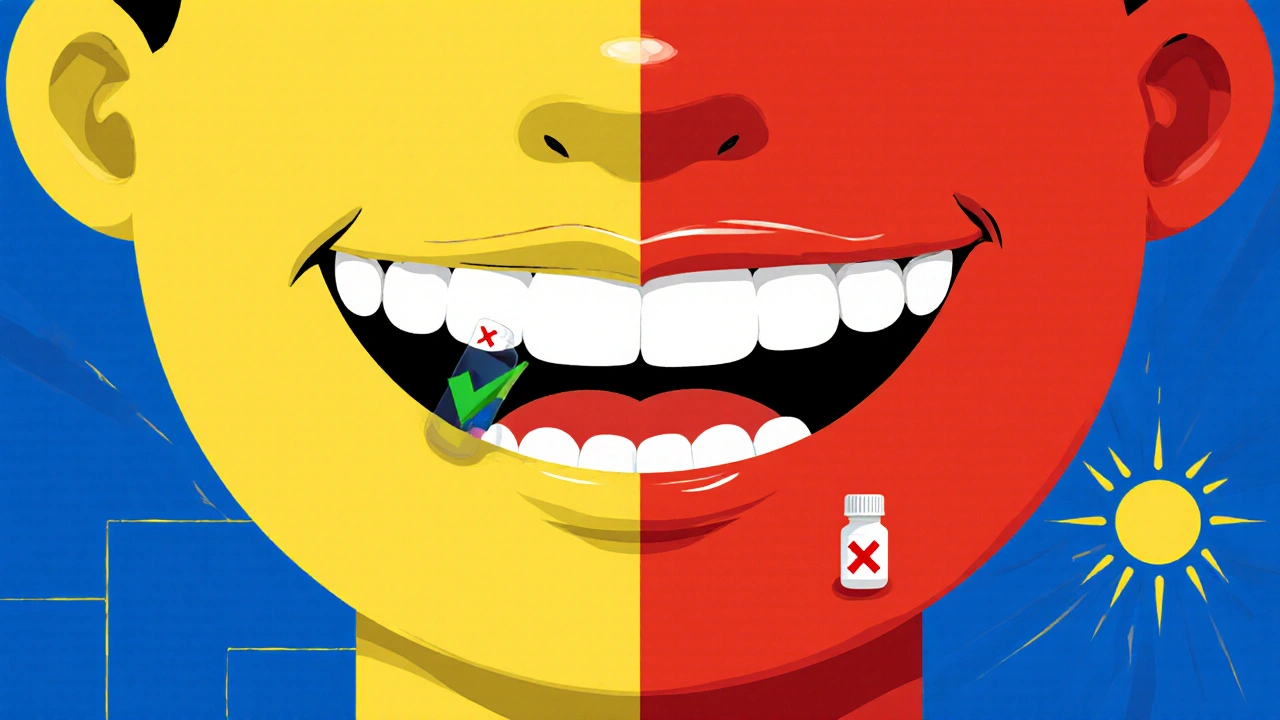
Tetracyclines and Tooth Discoloration in Children: What Parents and Doctors Need to Know in 2025
Nov 29 2025 / MedicationsLearn the truth about tetracyclines and tooth discoloration in children. Updated 2025 guidelines show doxycycline is safe for short courses - even under age 8 - for life-threatening infections like RMSF.
VIEW MORE