
TAVR Surgery: What It Is, Who Needs It, and What to Expect
When your heart’s aortic valve narrows and won’t open fully, blood can’t flow out properly—that’s TAVR surgery, a minimally invasive procedure to replace a faulty aortic valve without opening the chest. Also known as transcatheter aortic valve replacement, it’s become a go-to for older adults and those with high surgical risk. Unlike traditional open-heart surgery, TAVR doesn’t require stopping your heart or cracking your ribcage. Instead, a new valve is threaded through a blood vessel—usually in the leg—and placed right inside the old one. It’s faster, less traumatic, and for many, life-saving.
Who gets TAVR? Mostly people with severe aortic stenosis, a condition where the aortic valve stiffens and blocks blood flow from the heart. Symptoms like shortness of breath, chest pain, or fainting during simple activities often signal it’s time to talk to a cardiologist. If you’re over 75, have other health issues like lung disease or prior heart surgery, or your doctor says open-heart surgery is too risky, TAVR is often the best option. It’s not for everyone—patients with very small blood vessels, active infections, or severe kidney disease may not qualify—but for millions, it’s the only way to get a new valve without a major operation.
The procedure itself takes about 1 to 2 hours, and most people go home in 1 to 3 days. Recovery is quicker than with open surgery—you’re walking the next day, driving in a week, and back to normal activities in a few weeks. You’ll still need to take blood thinners and keep up with follow-ups, but the improvement in energy and breathing is often dramatic. And while TAVR valves don’t last forever, they’re designed to last 10 to 15 years, which is plenty for most older patients.
Behind every successful TAVR is a team: cardiologists, cardiac surgeons, anesthesiologists, and imaging specialists working together. The tech keeps improving—newer valves are smaller, more durable, and work better in complex cases. And as more data comes in, even younger, healthier patients are being considered for the procedure.
Below, you’ll find real-world guides on heart health, medication safety, and post-procedure care that connect directly to what you’ll need after TAVR. Whether you’re considering the surgery, recovering from it, or caring for someone who is, these posts give you the clear, practical info you won’t get from a hospital brochure.
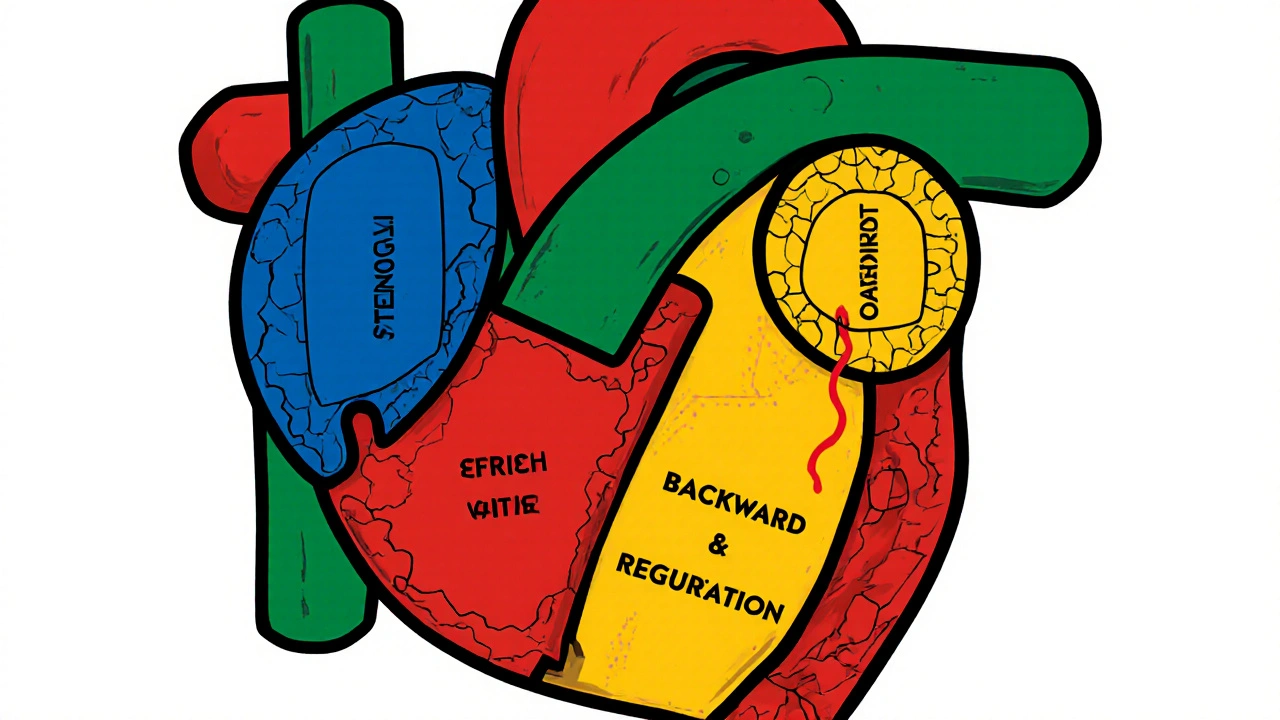
Heart Valve Diseases: Understanding Stenosis, Regurgitation, and Modern Surgical Treatments
Nov 13 2025 / Health and WellnessLearn how heart valve stenosis and regurgitation affect blood flow, what symptoms to watch for, and the latest surgical options-including TAVR and MitraClip-that can restore heart function and save lives.
VIEW MORE