
Tetracycline Tooth Discoloration: What It Is and How to Prevent It
When tetracycline tooth discoloration, a permanent staining of developing teeth caused by the antibiotic tetracycline. Also known as tetracycline staining, it occurs when the drug binds to calcium in forming teeth, leaving behind gray, brown, or yellow bands that don’t wash off with brushing. This isn’t just a cosmetic issue—it’s a well-documented side effect that affects children and unborn babies when tetracycline is taken during critical stages of tooth development.
Tetracycline is a broad-spectrum antibiotic used for acne, respiratory infections, and Lyme disease, but it’s never given to children under 8 or pregnant women. Why? Because teeth start forming in the womb and keep developing until about age 8. During that window, tetracycline gets incorporated into the enamel and dentin, causing lasting damage. The discoloration isn’t surface-level—it’s built into the tooth structure. Even professional whitening often can’t fix it fully. That’s why doctors avoid prescribing it to kids and pregnant people, even if it’s the right drug for the infection.
It’s not just tetracycline itself—other antibiotics in the same family, like doxycycline and minocycline, can cause similar staining. Minocycline, in particular, can cause blue-gray or black discoloration even in adults after long-term use. But the worst damage happens early. A child who takes tetracycline at age 3 might not show signs until their permanent teeth come in years later. Parents often don’t realize the link until it’s too late.
There’s no undo button for this kind of staining. Once it’s in the enamel, it’s there for life. That’s why prevention is everything. If you’re pregnant, ask your doctor if your antibiotics are safe for fetal development. If your child needs antibiotics, always confirm the name and ask: Is this one linked to tooth staining? Most pediatricians know this risk, but not all parents do. And if you’re using an older prescription or buying meds online, double-check the active ingredient. Counterfeit or mislabeled drugs can slip through—and that’s when the real danger starts.
What you’ll find in the posts below are real, practical insights into how medications affect your body in ways you might not expect. From how antibiotics stain teeth to how other drugs change your weight, kidney function, or even your heart rhythm—these aren’t theoretical risks. They’re documented, measurable, and preventable. You’ll learn how to spot the red flags, ask the right questions, and protect yourself and your family from avoidable harm.
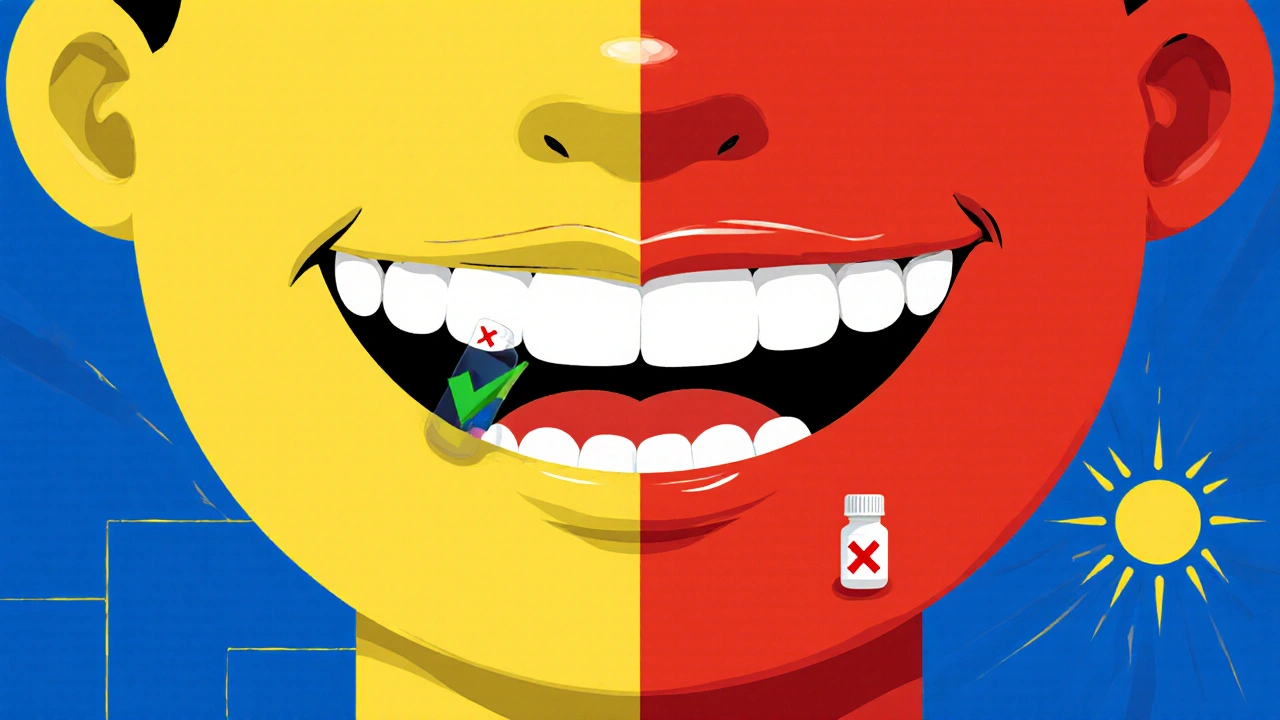
Tetracyclines and Tooth Discoloration in Children: What Parents and Doctors Need to Know in 2025
Nov 29 2025 / MedicationsLearn the truth about tetracyclines and tooth discoloration in children. Updated 2025 guidelines show doxycycline is safe for short courses - even under age 8 - for life-threatening infections like RMSF.
VIEW MORE