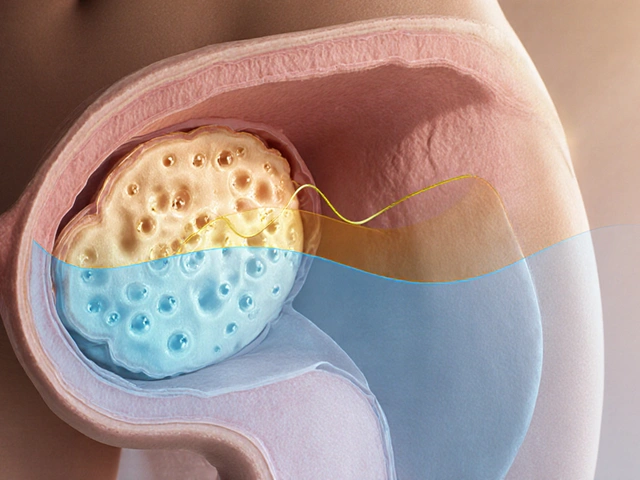
Imagine finding out you're pregnant and then realizing you've been taking a daily medication for years. Or perhaps you wake up with a splitting headache or a fever and wonder if that one pill could change everything. It's a terrifying feeling, especially since the first few weeks of pregnancy are often a blur of surprises. The reality is that first trimester medication safety is the study of how drugs affect a developing embryo during the first 12 weeks of gestation, a phase where major organ systems are formed.
Most of us assume there's a clear "yes" or "no" list for every drug, but the truth is more complicated. We are essentially operating in what experts call a "prescription information desert." While most of us want absolute certainty, doctors often have to balance the risk of a medication against the risk of leaving a maternal condition untreated. Whether you're managing a chronic illness or just fighting a cold, understanding the windows of vulnerability is the best way to navigate these early weeks.
The Window of Vulnerability: Why the First Trimester Matters
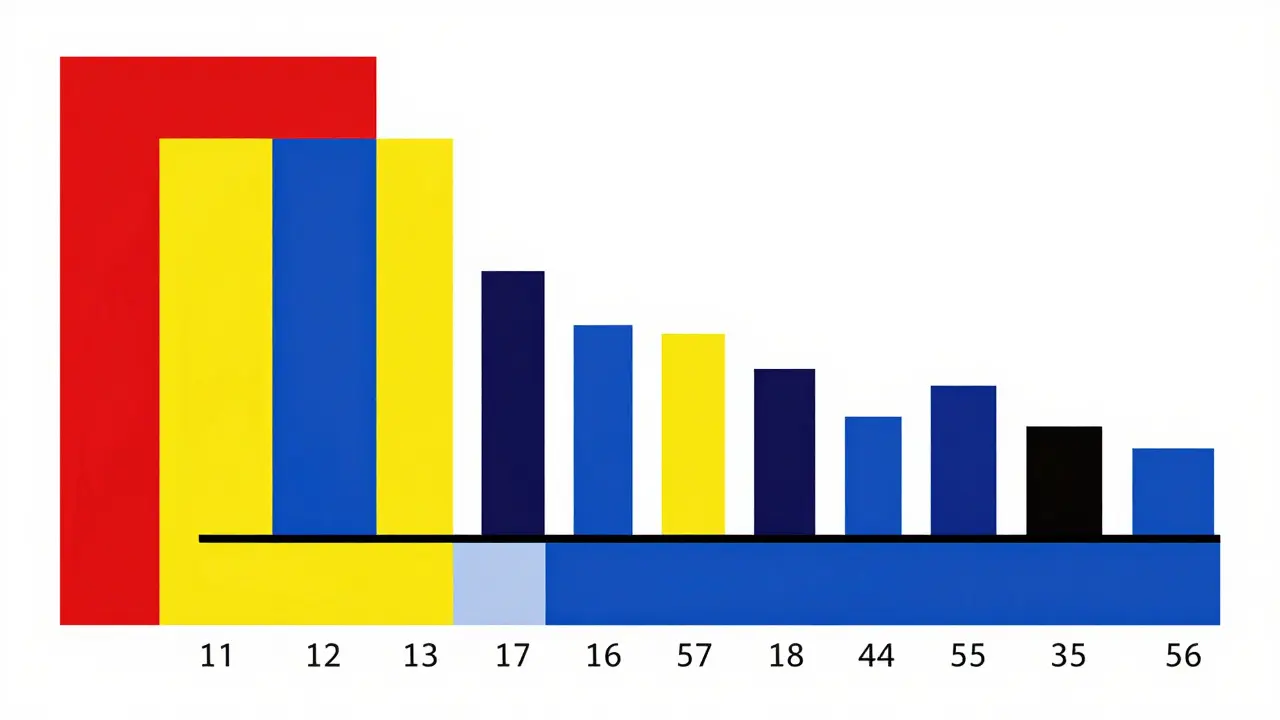
The first 12 weeks aren't all created equal. The most critical phase is called organogenesis is the process of embryo development where the primary organs and structures of the body are created. This typically happens between days 17 and 56 post-conception. If a teratogen is any agent, such as a drug or virus, that can cause a permanent structural defect in a developing embryo. enters the system during this window, the results can be permanent.
Not every organ is at risk at the same time. Your body follows a strict architectural schedule. For example, the neural tube (which becomes the brain and spinal cord) is most vulnerable between days 18 and 26. If you're looking at the heart, the critical window for malformations is roughly days 20 to 40, and limb development is most sensitive between days 24 and 36. Because 90% of birth defects happen during this embryonic period (weeks 3-8), the stakes are highest here.
Common Over-the-Counter Meds: What the Data Actually Says
When you have a fever or a cough, you probably reach for the medicine cabinet. But not every "safe" drug is without a footnote. Take Acetaminophen is a common analgesic and antipyretic used to treat pain and fever, often marketed as Tylenol. It has been the gold standard for pregnancy for decades, with guidelines suggesting up to 4,000 mg daily is acceptable. However, newer research has sparked a debate, suggesting that prolonged use might be linked to a 30% increase in ADHD risk and a 20% increase in autism spectrum disorder. It's still the preferred choice, but the phrase "use only when necessary" now carries more weight.
On the flip side, NSAIDs (Nonsteroidal Anti-inflammatory Drugs) like Ibuprofen or Naproxen are much more concerning. In the first trimester, some data suggests a 1.6-fold increased risk of miscarriage. While the danger of fetal kidney issues is more pronounced after 20 weeks, the early risks make them a "avoid if possible" category.
| Medication Type | Common Example | Risk Level (1st Trimester) | Primary Concern |
|---|---|---|---|
| Analgesic | Acetaminophen | Low/Moderate | Potential neurodevelopmental links |
| NSAID | Ibuprofen | High | Increased miscarriage risk |
| Antihistamine | Loratadine (Claritin) | Low | Generally considered safe |
| Decongestant | Pseudoephedrine | Moderate | Possible risk of gastroschisis |
| Antibiotic | Amoxicillin | Low | Generally safe for use |
Prescription Drugs: Managing Chronic Conditions
For those managing mental health or autoimmune issues, the decision isn't as simple as "just stop taking it." The American College of Obstetricians and Gynecologists (ACOG) is the professional organization providing evidence-based guidelines for obstetric and gynecologic care in the US. stresses the importance of a risk-benefit analysis. If a mother with epilepsy suddenly stops her medication, the risk of a seizure-related fetal death increases by a staggering 400%. In this case, the drug's risk is lower than the risk of the untreated disease.
Antidepressants are another area of nuance. If you're on Paroxetine, there is a known 1.5 to 2.0-fold increase in cardiac malformations, specifically ventricular septal defects. However, alternatives like Sertraline or Fluoxetine don't show that same consistent pattern of structural defects in the first trimester. This is why switching medications *before* pregnancy is often recommended, but if you're already pregnant, a doctor's guidance is vital.
When it comes to antibiotics, the news is generally better. Penicillins (like amoxicillin) and cephalosporins are typically a green light. But stay away from tetracyclines; these are known to cause fetal tooth discoloration, though that typically happens after the 15-week mark.
The Danger Zone: Medications to Avoid
Some drugs are simply too risky for the first trimester. Isotretinoin (used for severe acne) is a prime example. The FDA has a black box warning for this drug because it carries a 20-35% risk of major congenital defects and up to a 60% risk of cognitive impairment. There is no "safe dose" here; it's a hard avoidance.
Similarly, certain corticosteroids have shown a 1.3 to 1.6-fold increase in the risk of orofacial clefts when used in the early weeks. Even some common stomach meds are tricky. Bismuth subsalicylate is generally avoided due to salicylate absorption, and loperamide has had some associations with cardiac malformations in small studies.
How to Make a Safe Decision
If you're staring at a prescription bottle and feeling anxious, don't guess. The FDA's Pregnancy and Lactation Labeling Rule (PLLR) is a 2015 regulation that replaced the old letter-based risk categories with detailed narrative summaries of risks. ’ It provides more context than the old "Category A, B, C, D, X" system, but it's still a lot of medical jargon to digest.
Here is a practical approach to handling medication concerns:
- Confirm the timeline: Use your last period and an ultrasound to know exactly how many weeks you are. A drug taken at week 3 has a different impact than one taken at week 11.
- Consult the experts: Use services like MotherToBaby is a service operated by the Organization of Teratology Information Specialists providing evidence-based medication safety info for pregnancies. They handle thousands of inquiries and have access to the latest registries.
- The "Lowest Effective Dose" Rule: If a medication is necessary for your health, the goal is to use the lowest dose that works for the shortest amount of time.
- Explore Non-Drug Alternatives: Can a saline spray replace a decongestant? Can a heating pad replace an NSAID? Always ask this first.

Navigating the Information Gap
It's frustrating to hear that only about 10% of FDA-approved medications have sufficient safety data. This leaves a huge gap where doctors rely on animal studies or small case reports. The NIH (National Institutes of Health) has tried to bridge this with projects like PregSource, but we are still far from a complete database.
This lack of data often leads to contradictory advice. You might hear one doctor say a drug is fine and another say it's risky. This usually happens because they are weighing different pieces of evidence-one might be looking at a large population study, while the other is looking at a specific adverse event report. When this happens, ask your provider for the specific source of their concern. Is it based on human data or animal data? That distinction makes a world of difference.
Is it safe to take Tylenol (acetaminophen) in the first trimester?
Acetaminophen is generally considered the safest pain and fever reducer during pregnancy. However, recent evidence suggests that long-term or high-dose use may be linked to an increased risk of ADHD and autism. It is recommended to use it only when necessary and for the shortest duration possible.
Can I take Advil or Motrin if I have a headache?
NSAIDs like ibuprofen (Advil, Motrin) are generally discouraged in the first trimester. Some studies suggest a 1.6-fold increase in the risk of miscarriage during early pregnancy. It is better to use acetaminophen or non-drug remedies.
What happens if I took a dangerous medication before I knew I was pregnant?
First, don't panic. Many women are exposed to medications before they realize they are pregnant. The impact depends on the drug, the dose, and the exact timing of the exposure. You should immediately contact your OB-GYN and provide a list of all medications and dosages taken. They can refer you to a teratologist or a service like MotherToBaby for a detailed risk assessment.
Are antibiotics safe during the first 12 weeks?
Many are. Penicillins (like amoxicillin) and cephalosporins are generally considered safe. However, others like tetracyclines can cause tooth discoloration and fluoroquinolones have shown risks in animal studies. Always have your doctor verify the specific antibiotic is safe for your stage of pregnancy.
Should I stop my antidepressants immediately if I get pregnant?
No. Never stop psychiatric medications abruptly without medical supervision. The risk of untreated depression or anxiety can be as harmful to the fetus as the medication itself. Talk to your doctor about potentially switching to a medication with a lower risk profile, such as sertraline or fluoxetine, if appropriate.
Next Steps for Different Situations
If you are planning a pregnancy: Now is the time for a "medication audit." Review every prescription and supplement with your doctor to see if there are safer alternatives you can switch to before conception.
If you are currently in your first trimester: Keep a detailed log of every medication you take, including the date, dose, and reason. This is invaluable for your doctor if you need to do a risk assessment later.
If you have a chronic condition (e.g., Diabetes or Epilepsy): Prioritize stability. Uncontrolled diabetes can increase the risk of major anomalies from 3% up to 15%. Work closely with your specialist to adjust doses-like levothyroxine for thyroid issues-to keep your levels in the target range (e.g., TSH < 2.5 mIU/L).