
Hatch-Waxman Act: How It Shaped Generic Drugs and Drug Prices in the U.S.
When you pick up a generic pill at the pharmacy, you’re seeing the result of the Hatch-Waxman Act, a 1984 U.S. law that created a legal pathway for generic drugs to enter the market without repeating expensive clinical trials. Also known as the Drug Price Competition and Patent Term Restoration Act, it’s the reason you pay $4 for metformin instead of $300. Before this law, brand-name companies held a monopoly long after their patents expired. Generic makers couldn’t even start testing their versions until the patent ran out—then they had to prove safety and effectiveness from scratch. Hatch-Waxman changed all that.
The law gave brand-name companies a way to extend their patents if they spent time getting FDA approval, which helped fund innovation. At the same time, it let generic companies file an ANDA, an Abbreviated New Drug Application that relies on the original drug’s data instead of redoing clinical trials. This shortcut is why generic versions appear within months of a patent expiring. But it also created a battleground: generic makers now challenge patents aggressively, and brand-name companies respond with legal delays, sometimes called "evergreening." The result? You get cheaper drugs faster—but not always as fast as you’d hope. This tension between innovation and access shows up in today’s drug shortages, patent lawsuits, and even in how the FDA handles manufacturing changes for generics. If you’ve ever wondered why your prescription suddenly switched brands or why a drug vanished from shelves, the Hatch-Waxman Act is often behind it.
The law also quietly shaped how we think about drug quality. It forced the FDA to treat generics as equally safe and effective—not just cheaper knockoffs. That’s why studies consistently show generics perform the same as brand-name drugs. Yet, media headlines still scare people into thinking generics are risky. The truth? The same factories often make both. What Hatch-Waxman didn’t fix? The high cost of brand-name drugs, the lack of price negotiation, or the way patent thickets block competition. But it did give patients a fighting chance.
Below, you’ll find real-world examples of how this law affects you: why your doctor prescribes a generic, how manufacturing changes delay approvals, why some drugs stay expensive even after patents expire, and how fake pills exploit gaps in the system. These aren’t abstract policies—they’re the reason your medicine costs what it does.
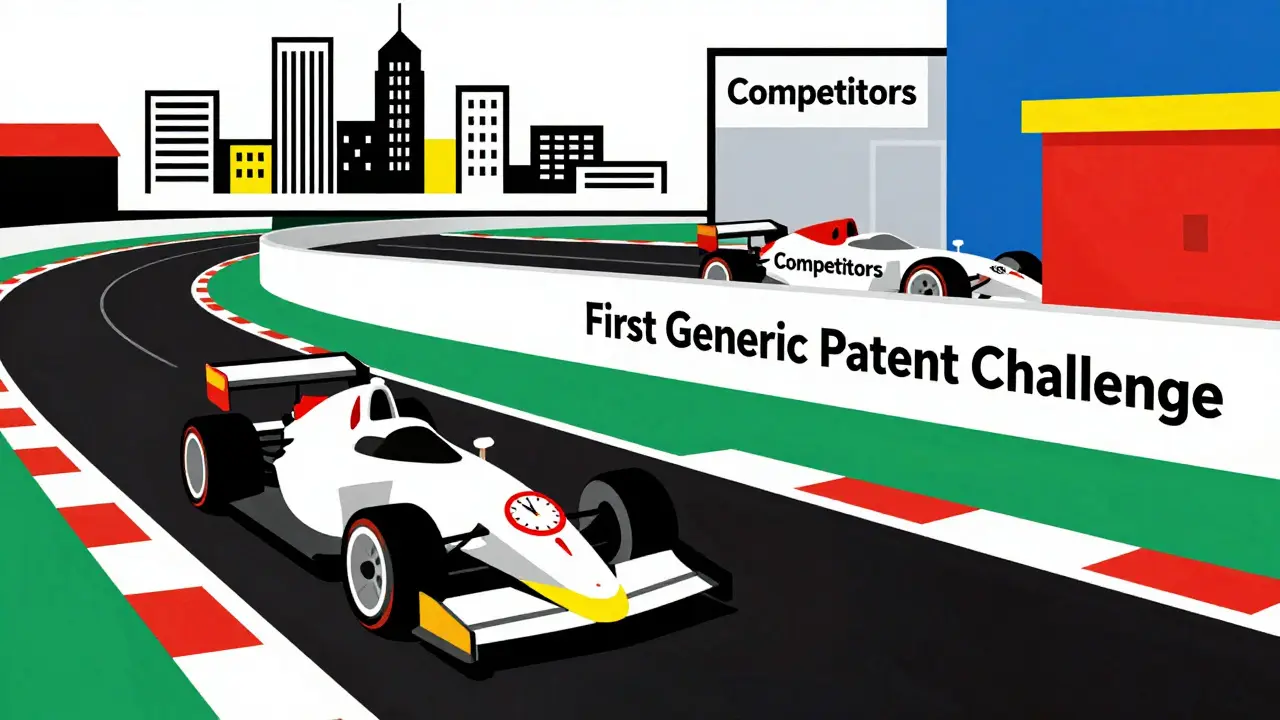
FDA's 180-Day Exclusivity: How First Generic Applicants Gain Market Advantage
Mar 8 2026 / MedicationsFDA's 180-day exclusivity gives the first generic drug maker a financial edge, but it's often exploited to delay competition. Learn how it works, who benefits, and why reform is coming.
VIEW MORE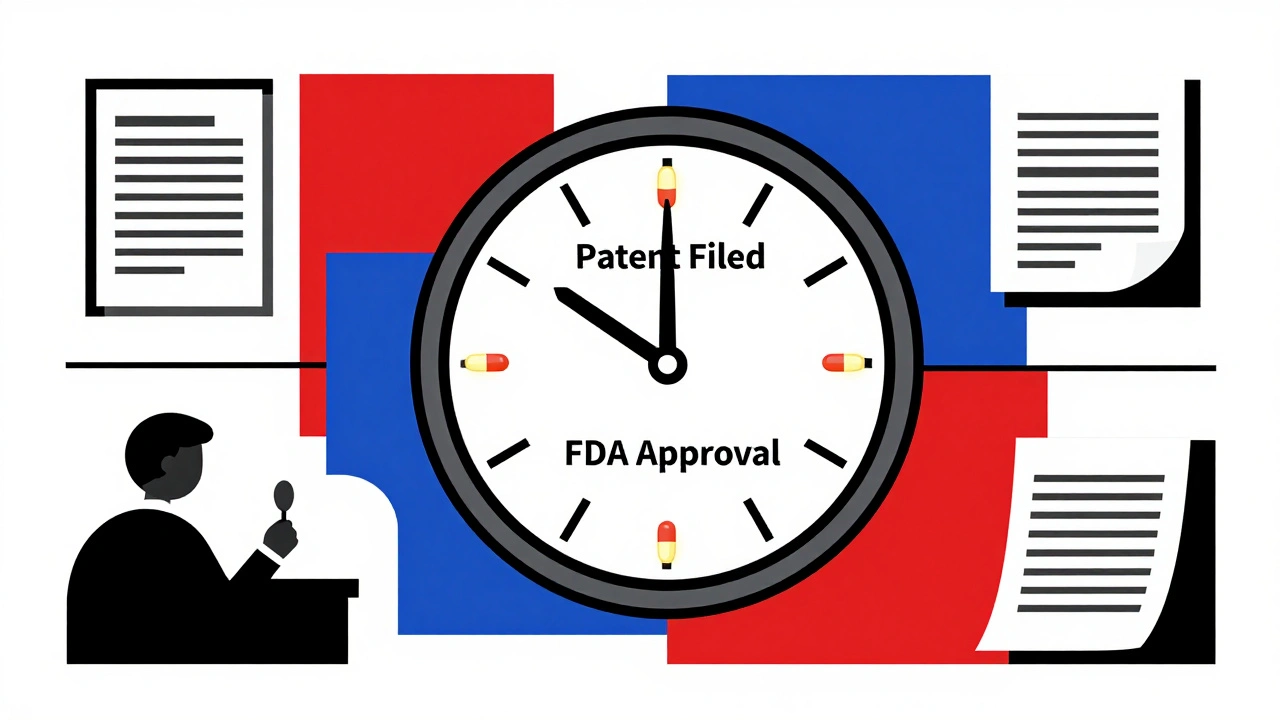
Effective Patent Life: Why Market Exclusivity for Drugs Is Shorter Than You Think
Dec 1 2025 / MedicationsEffective patent life for drugs is often just 10-13 years, not 20, due to long approval times. Secondary patents and regulatory exclusivities extend exclusivity beyond the original patent, creating complex market dynamics.
VIEW MORE