
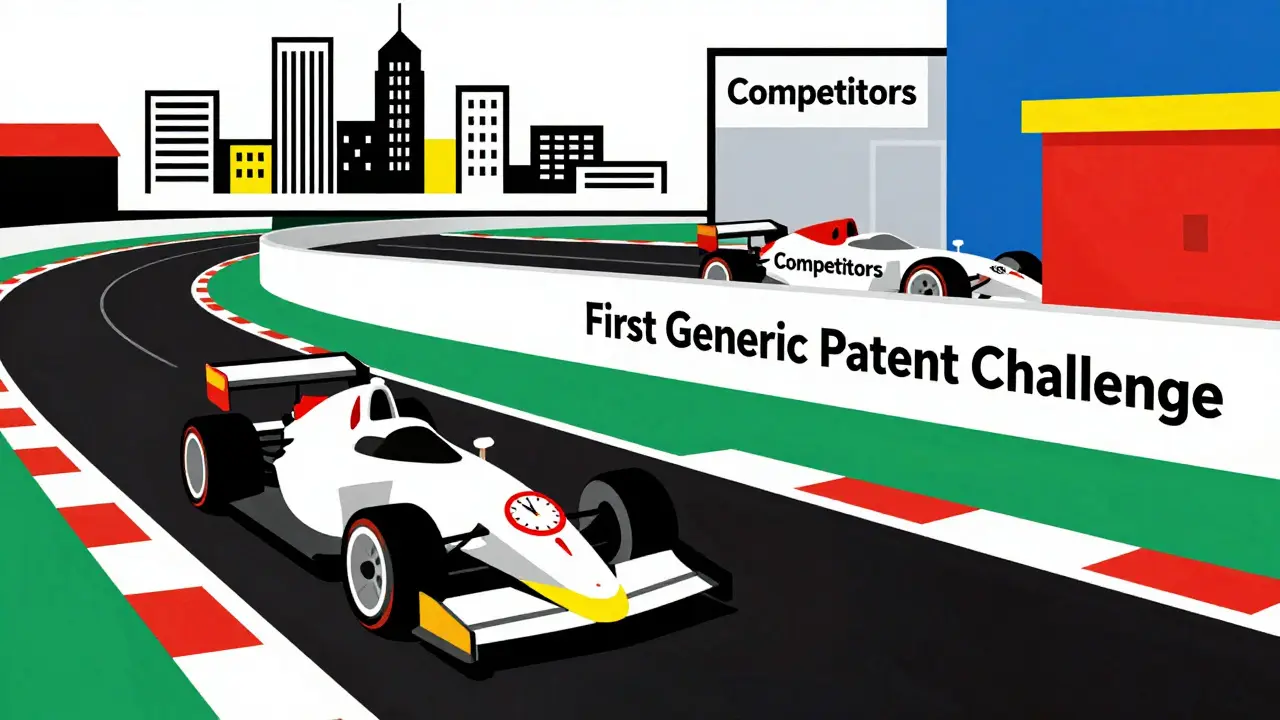
When a brand-name drug loses its patent, the race to bring out the first generic version isn’t just about speed-it’s about money. The FDA’s 180-day exclusivity rule gives the first generic company to challenge a patent a huge financial edge. But here’s the twist: this rule was meant to get cheaper drugs to patients faster. Instead, it’s become a tool that sometimes delays competition for years.
What Exactly Is the 180-Day Exclusivity?
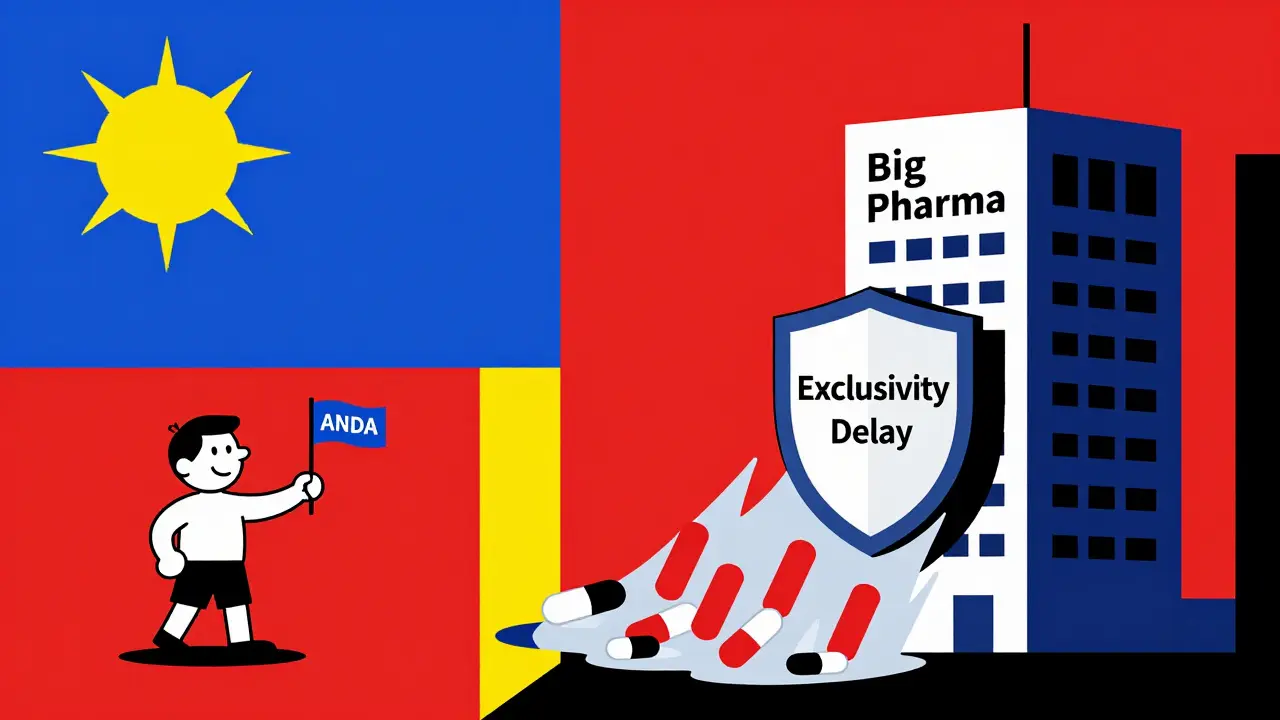
The 180-day exclusivity isn’t a gift. It’s a legal incentive built into the Hatch-Waxman Act a 1984 U.S. law that created the modern system for approving generic drugs. When a generic company files an Abbreviated New Drug Application (ANDA) a streamlined application for generic versions of approved drugs and claims the original patent is invalid or not infringed (called a Paragraph IV certification), they trigger a legal battle. If they win, they get 180 days where no other generic can enter the market.
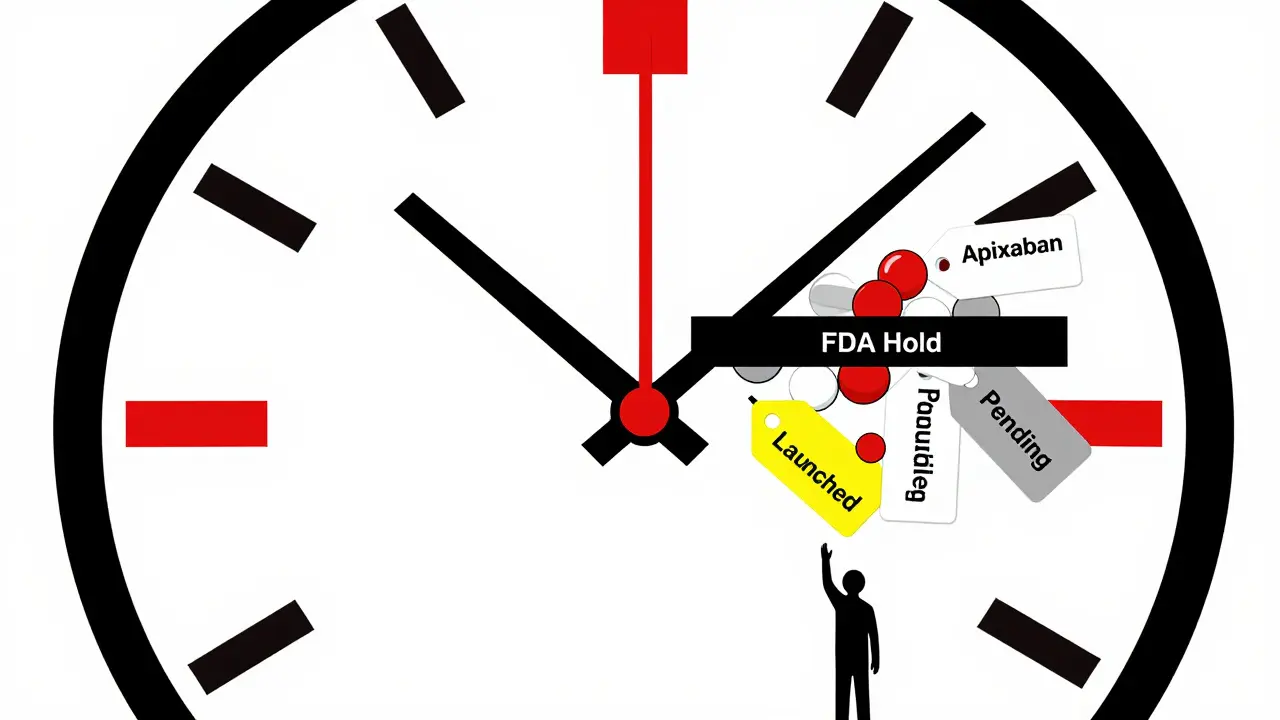
This isn’t 180 days from approval. It’s 180 days from the day they start selling. And that’s where things get messy. Some companies get approval but don’t launch right away. The clock doesn’t start until they sell. So, they can sit on approval for months-or even years-while still blocking competitors. The FDA can’t approve anyone else during that time, even if they’re ready.
Why Does This Rule Even Exist?
Back in 1984, brand-name drug companies had long patent protections. Generic makers couldn’t even start testing their versions until the patent expired. The Hatch-Waxman Act changed that. It let generics file early, but only if they were willing to challenge the patent. The 180-day exclusivity was the trade-off: if you’re bold enough to take on a lawsuit, you get a head start on sales.
It worked. Since 1984, over 14,000 generic drugs have been approved. Today, 90% of prescriptions in the U.S. are filled with generics. They cost just 23% of what brand drugs do. That’s huge savings. The exclusivity rule helped get those generics to market faster than they would have otherwise.
How Do Companies Actually Use This?
Not every company that files a Paragraph IV application wins exclusivity. About 35% of first applicants lose it because they don’t launch within the required time. The FDA says if you don’t start selling within 75 days of getting a Notice of Commercial Marketing (NOCM), you forfeit your exclusivity.
But here’s the real game: some companies get approval, then wait. Why? Because if they launch too early, they might not make enough profit before competitors flood in. So they delay-sometimes for over a year-while the exclusivity clock ticks. Meanwhile, other generic makers are stuck waiting. No one else can get approved. The brand-name drug keeps its high price. Patients pay more.
In 2020, six companies qualified as first applicants for the generic version of apixaban (a blood thinner). Only three launched within the deadline. The other three lost their exclusivity. The three that did launch shared the 180-day window. That’s how complex it gets.
Who Benefits the Most?
It’s not small startups. It’s big players. Between 2018 and 2023, the top five generic manufacturers-Teva, Viatris, Sandoz, Amneal, and Hikma-got 58% of all 180-day exclusivity periods. These companies have the legal teams, the cash, and the patience to play the long game.
Smaller companies? They rely on this exclusivity to survive. A 2024 FDA report found that 63% of small generic manufacturers say this 180-day window is the main reason they even bother challenging patents. Without it, they couldn’t compete with big pharma’s legal firepower.
The Dark Side: Delaying Competition
The Federal Trade Commission found 147 cases between 2015 and 2020 where exclusivity was used to block competition. One common tactic: a generic company files a weak patent challenge just to trigger exclusivity, then sits on it. No real innovation. No lower prices. Just a legal delay.
Dr. Aaron Kesselheim from Harvard testified in 2022 that this system is being "gamed" by both brand and generic companies. The result? Patients pay $13 billion extra every year because generics don’t enter the market when they should.
And it’s not just about delays. Sometimes, exclusivity starts running during patent appeals. The court says the patent is invalid, but the appeal drags on for two years. The exclusivity clock ticks during that time. The brand drug stays on the market, untouched. The generic sits on approval. No one else can enter. That’s not competition. That’s a monopoly.
What’s Changing?
The FDA noticed. In March 2022, they proposed a major change: make the 180-day clock start the moment the first generic is sold, not when a court rules. This is how the Competitive Generic Therapy (CGT) a system created in 2017 to speed up approval for drugs with little competition model works. It’s cleaner. It’s fairer.
If this change happens, exclusivity would last exactly 180 days from launch-not years. The FDA estimates this would cut delays by 8.2 months per drug. That’s billions in savings. The Congressional Budget Office says it could save $5.3 billion a year.
But not everyone agrees. Generic manufacturers warn that if the clock starts at launch, fewer companies will take the risk. Patent challenges are expensive. If the reward shrinks, so will the number of generics that get approved.
What Does This Mean for Patients?
Right now, you might be paying more than you should. If a drug you take has a generic version that’s been approved but not on shelves yet, the 180-day exclusivity might be why. It’s not about safety. It’s about money.
When multiple generics finally enter, prices drop hard-often to 9-12% of the brand price. But during the exclusivity window, the first generic charges 15-20%. That’s still cheaper than the brand, but not as cheap as it could be.
The system was meant to help you. But when companies use loopholes to delay competition, it hurts. The FDA’s proposed fix could bring real change. Whether it happens depends on lawmakers, lobbyists, and how much pressure patients and doctors put on them.
Is This System Broken?
It’s not broken. It’s being manipulated. The rule itself works-when it’s used the way it was designed. But when companies treat it like a legal shield instead of a market incentive, it fails.
There’s no easy fix. We need faster court rulings. Clearer rules on forfeiture. And accountability when exclusivity is used to delay rather than encourage competition.
For now, the 180-day exclusivity remains a double-edged sword: it’s brought generics to millions of Americans, but it’s also been turned into a tool that keeps prices high.


Stephen Rudd
March 8, 2026 AT 13:31Erica Santos
March 10, 2026 AT 09:14George Vou
March 10, 2026 AT 17:18Scott Easterling
March 10, 2026 AT 23:07Mantooth Lehto
March 12, 2026 AT 21:17Melba Miller
March 14, 2026 AT 19:37Katy Shamitz
March 16, 2026 AT 02:01Samantha Fierro
March 17, 2026 AT 03:37Nicholas Gama
March 18, 2026 AT 21:28Mary Beth Brook
March 20, 2026 AT 15:44Neeti Rustagi
March 21, 2026 AT 15:52Dan Mayer
March 22, 2026 AT 07:21Peter Kovac
March 23, 2026 AT 16:40Jazminn Jones
March 25, 2026 AT 14:51Robert Bliss
March 26, 2026 AT 14:13