
Liver Disease: Causes, Symptoms, and What You Need to Know
When your liver disease, a condition that impairs the liver’s ability to process nutrients, filter blood, and fight infection. Also known as hepatic disease, it doesn’t always come from alcohol—many people develop it from obesity, diabetes, or even silent viral infections. Your liver works 24/7, detoxifying everything you eat, drink, or breathe. When it starts failing, you won’t always feel it—until it’s too late.
There are different types, and they don’t all look the same. fatty liver, a buildup of fat in liver cells that can lead to inflammation and scarring is the most common, often tied to poor diet and inactivity. Then there’s cirrhosis, the late stage where healthy tissue turns to scar tissue, making the liver stiff and useless. hepatitis, inflammation of the liver, often caused by viruses like Hepatitis B or C can be silent for years, only showing up as fatigue or yellow skin. These aren’t just medical terms—they’re real, preventable, or manageable conditions affecting millions.
What makes liver disease tricky is how quiet it is. You might not feel pain until your liver is 80% damaged. Blood tests, ultrasounds, and simple lifestyle changes can catch it early. Cutting back on sugar, avoiding alcohol, managing cholesterol, and getting tested if you’re over 40 or have type 2 diabetes can make all the difference. Even if you’re healthy now, your liver doesn’t ask for permission—it just keeps working until it breaks.
The posts below cover real cases, hidden risks, and practical steps you can take—from understanding how medications like NSAIDs harm your liver to spotting early warning signs you’re ignoring. You’ll find what works, what doesn’t, and how to protect your liver before it’s too late. This isn’t theory. It’s what people are actually dealing with—and what you can do about it.
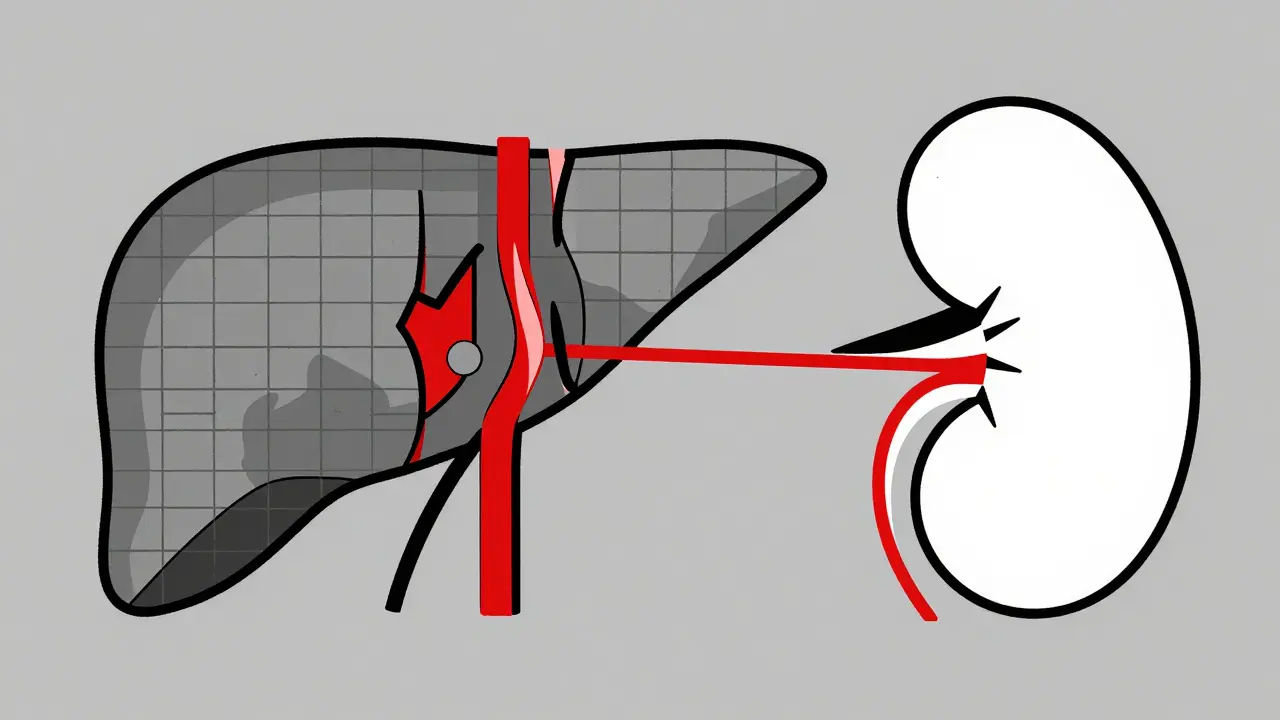
Hepatorenal Syndrome: Understanding Kidney Failure in Advanced Liver Disease
Jan 4 2026 / Health and MedicineHepatorenal syndrome is a life-threatening kidney failure caused by advanced liver disease, not direct kidney damage. Learn how it develops, why it's often missed, and what treatments-including transplant-can save lives.
VIEW MORE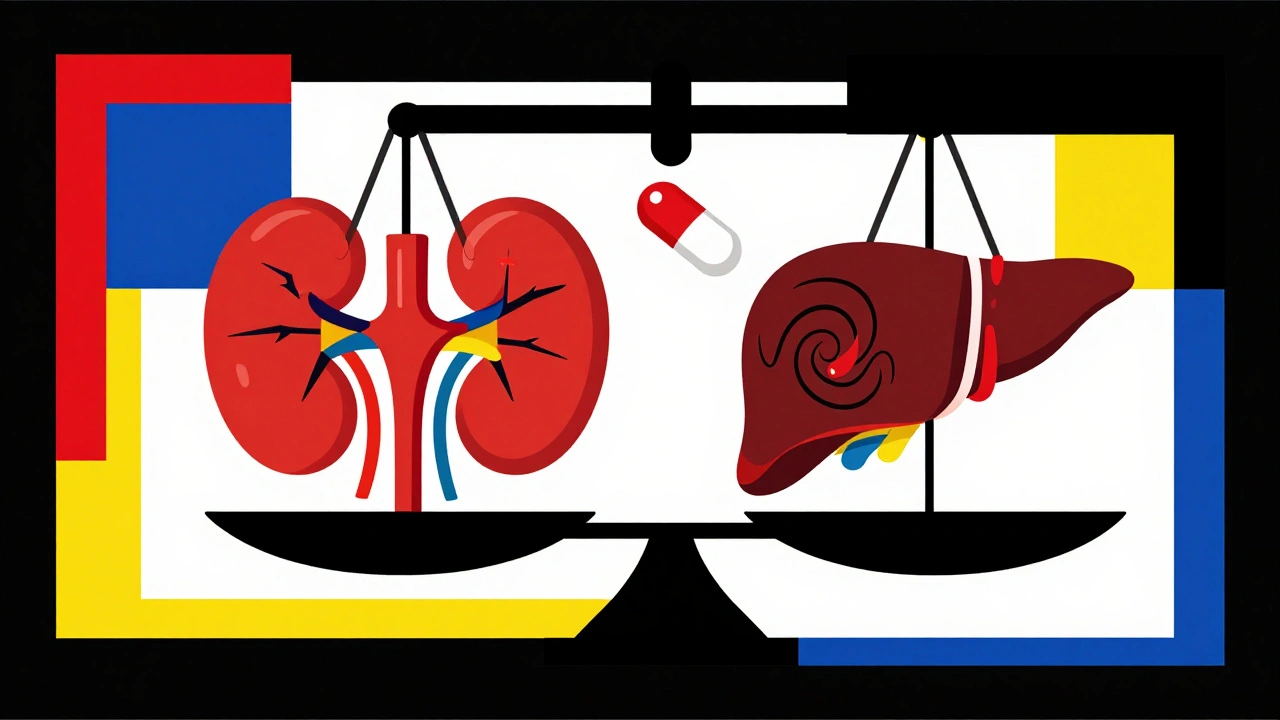
Anticoagulation in Kidney and Liver Disease: What Doctors Really Do
Dec 4 2025 / MedicationsManaging blood thinners in kidney and liver disease is complex. Apixaban is often the safest option, but decisions depend on kidney function, liver stage, platelet counts, and bleeding history. No guidelines cover all cases-so what doctors do matters most.
VIEW MORE