
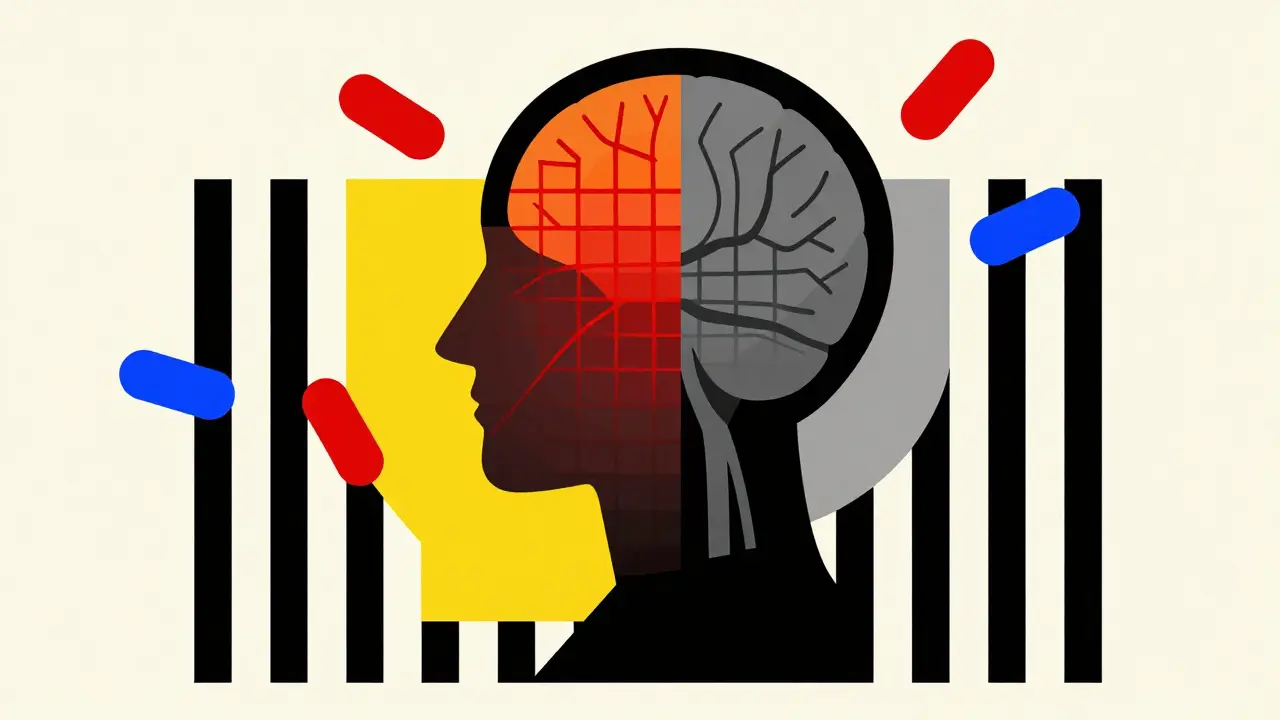
Medication Drowsiness & Safety Checker
Enter the type of medication you are taking and your typical dose time to see your estimated alertness window.
Timing Calculator
Why Your Medicine Might Be Making You Sleepy
There is something strangely frustrating about feeling exhausted when you haven't done anything all day. If you've ever finished work and wanted to collapse onto the couch immediately, even though you had no plans, you aren't just "tired." It might be what doctors call Medication-Induced Drowsiness, clinically known as drug-induced somnolence. This happens when the very thing meant to heal you-the pills you pop every morning-starts to slow your brain down too much.
It isn't rare. About one in five adults dealing with prescriptions notice this foggy feeling. Sometimes it fades after a few weeks, but sometimes it sticks around, turning into a long-term struggle that affects how you drive, walk, or think. Understanding why your body reacts this way can save you from serious accidents and help you find a treatment plan that works without the crash.
What Exactly Happens Inside Your Body?
To understand why you feel so heavy, you have to look at the Central Nervous System (CNS). Think of your CNS as the command center for your body-it tells your heart to beat, your lungs to breathe, and your brain to stay alert. When you take certain medications, they essentially tell this command center to dial things back.
This process is called CNS depression. Imagine dimming the lights in a busy office; the activity slows, communication gets less frantic, and everyone starts nodding off. While this might be exactly what you want if you are treating insomnia or anxiety, it becomes a problem when it happens during the day while you are trying to live your life. Research shows that nearly 20% of adults report this side effect, often without realizing the medicine is the culprit. They just assume they are getting older or overworked.
The Most Common Offenders
You might be surprised to learn that it isn't just sleeping pills that do this. Many standard medicines affect alertness levels depending on how they interact with your brain chemistry. Here are the main groups that usually show up on lists of side effects causing fatigue:
- Antihistamines: These are classic allergy medicines. Older versions like Diphenhydramine (often sold as Benadryl) cross into the brain easily to block histamine, which ironically means blocking wakefulness too. Newer ones like Loratadine often skip this issue, but the old school ones are notorious.
- Antidepressants: Some older antidepressant types, specifically Tricyclics, work heavily on chemical pathways that regulate sleep. They can leave you feeling groggy for hours after a dose.
- Benzodiazepines: Used for anxiety, these boost a calming chemical in your brain. While great for panic, staying awake afterward is hard work. Drugs like Xanax or Valium fall into this category.
- Beta-Blockers: Usually prescribed for high blood pressure, these slow your heart rate. A slower pulse can translate to lower energy levels throughout the day for some people.
- Opioids: Painkillers designed to dull physical pain also dampen mental alertness. Combining these with other depressants significantly raises risks.
| Medication Class | Common Examples | Typical Effect Duration |
|---|---|---|
| First-Generation Antihistamines | Diphenhydramine, Hydroxyzine | 6-8 hours |
| Benzodiazepines | Alprazolam, Diazepam | Variable (Half-life dependent) |
| Tricyclic Antidepressants | Amitriptyline, Doxepin | All-day residue |
| Beta-Blockers | Propranolol, Atenolol | 12-24 hours |
Hidden Dangers Beyond Feeling Tired
Feeling tired is annoying, but the real risk isn't just a bad day. It is about safety. Studies from major health organizations highlight a link between these medications and falls, particularly for older adults. When your reaction time slows, stepping off a curb or reaching for a glass on a high shelf becomes dangerous. In cities like Sydney, where we might rely heavily on public transport or navigate busy pedestrian areas, that split-second delay matters.
Then there is driving. You cannot judge whether you are safe to get behind the wheel simply by how you "feel." If you are legally under the influence of substances that impair alertness, the law considers it similarly risky to alcohol impairment. The combination of opioids and benzodiazepines is especially critical because it doesn't just make you sleepy; it suppresses breathing. Medical records warn that this mix can be fatal in extreme doses, making awareness vital for everyone managing chronic pain or anxiety.

Strategies to Stay Awake and Safe
Fortunately, you don't always have to choose between your symptoms and your alertness. There are practical ways to manage the fatigue caused by your prescription regimen.
Timing Matters More Than Dosage
If your doctor approves, try shifting when you take your pill. Moving a medication that makes you drowsy to bedtime can absorb the peak sedative effect while you sleep. Clinical guidelines suggest this simple timing change helps over 60% of patients avoid daytime crashes. However, always check with your pharmacy first, as some medicines need to be taken consistently relative to meals, regardless of the clock.
Sleep Hygiene and Lifestyle Tweaks
Your body has a tolerance for these effects. Getting enough rest before taking medication creates a buffer against excess sleepiness. Try sticking to a strict sleep schedule, ensuring you get at least eight hours in bed. Also, hydration plays a role. Being slightly dehydrated magnifies the feeling of being wiped out, so drinking water helps flush the system and keep energy up.
The Caffeine Conversation
Coffee is a tempting fix for the grogginess, but experts advise caution. While caffeine can counteract the symptom temporarily, if you drink it late in the afternoon, it ruins your sleep cycle. Poor sleep then makes you more sensitive to the next dose of medicine. Limit coffee to the morning hours and avoid adding it to evening snacks.
Don't Stop Abruptly
One of the biggest mistakes people make is deciding to quit their pills because they feel tired. Stopping antidepressants or anti-anxiety medication suddenly can trigger severe withdrawal or rebound symptoms, such as serotonin syndrome. Always consult your physician to taper off slowly or switch to a non-drowsy alternative like second-generation antihistamines instead.
Questions You Should Ask Your Doctor
Many people are afraid to bring up side effects, thinking they sound ungrateful or difficult. However, pharmacists and doctors expect these questions. Knowing what to ask empowers you to advocate for your daily functioning. Don't just say "I'm tired"; be specific about the timing and impact.
- "Is there a non-sedating alternative available for my condition?"
- "If I must take this, what is the absolute safest time of day for me to take it?"
- "How long until I feel fully alert again after taking this dose?"
- "Are there any interactions with my diet that make this worse?"
With modern medicine evolving rapidly, new versions of drugs often exist that target the same illness without affecting the brain's arousal centers. For example, newer blood pressure medications often lack the heavy fatigue profiles of older beta-blockers. Your provider can review your list and identify these hidden culprits.
Does medication drowsiness ever go away on its own?
For many medications, yes. Your body typically builds a tolerance over 2 to 4 weeks as it adjusts to the drug. If you still feel excessively sleepy after a month, it might be the wrong medication for your specific physiology.
Can I drink alcohol if my medication makes me sleepy?
No. Alcohol is also a CNS depressant. Combining it with drowsy medications amplifies the sedation significantly, increasing the risk of respiratory issues, falls, and poor judgment. It is generally considered unsafe.
Is it illegal to drive if I feel drowsy from medicine?
If a prescription label warns of drowsiness and you drive impaired, you can be charged with dangerous driving regardless of whether the drug was legal. Law enforcement treats medically induced impairment similarly to alcohol intoxication.
Do vitamins or food supplements interfere with these drugs?
Some supplements, particularly herbs like St. John's Wort, can interact with metabolism enzymes in the liver, altering how fast you process medication. Always disclose supplements to your pharmacist to check for interactions.
Can age make drowsiness worse?
Yes, as we age, our livers and kidneys process chemicals more slowly. Older adults often retain medication in their system longer than younger people, leading to prolonged drowsiness and higher fall risks.




Vikash Ranjan
March 30, 2026 AT 05:52You know what actually frustrates me the most is how everyone ignores the warning labels on their bottles completely.
Biraju Shah
March 30, 2026 AT 06:06I disagree that ignorance is the only factor here because the pharmaceutical marketing hides these risks on purpose.
Jonathan Alexander
March 30, 2026 AT 06:35I felt like my brain was encased in wet concrete for weeks after switching prescriptions recently and it nearly cost me my job honestly it was terrifying.
Calvin H
March 31, 2026 AT 23:27Surely doctors are supposed to know better than us anyway.
Charles Rogers
April 1, 2026 AT 14:27Most people ignore the basics of pharmacology when they walk into a clinic expecting a cure without consequences. They pop pills without reading the label or checking the fine print details thoroughly. It is negligence to assume safety simply because a pharmacist hands you a bottle with blue ink. Doctors prescribe based on immediate symptoms rather than long-term alertness outcomes for patients. Patients complain about side effects later when they realize their life quality has degraded significantly. This cycle is predictable and happens constantly in healthcare systems across the nation. Education remains absent from the conversation during regular checkup appointments unfortunately. Safety standards drop significantly when we rely too heavily on sedative medications for minor issues. We prioritize comfort over health when treating anxiety or allergies with heavy duty drugs. Long term damage accumulates slowly and often goes unnoticed until a major accident occurs. You see accidents in the news reports daily that involve drivers impaired by legal substances. Those drivers were medicated heavily without proper monitoring of their wakefulness levels consistently. Ignorance protects no one now especially when reaction times are compromised during critical moments. Responsibility falls on the individual to understand exactly what is entering their bloodstream daily. Read the warnings carefully before taking any new medication prescribed by your primary physician.
Adryan Brown
April 3, 2026 AT 03:45There is so much nuance to how metabolism works and older studies show tolerance builds up differently depending on genetic markers you inherit. I find it helpful to track your intake times with a dedicated app so you can see patterns emerging over the first few months of treatment. Many people skip this step and wonder why they feel worse during weekends specifically.
Christopher Curcio
April 4, 2026 AT 17:49The central nervous system depression is the mechanism causing this widespread issue affecting millions of adults globally each year. It disrupts neurotransmitter signaling pathways specifically involving gamma-aminobutyric acid receptors in the frontal cortex region.
Cameron Redic
April 5, 2026 AT 16:11Yeah right sure that explains why my coffee helps less every day as time passes and I get older.
Marwood Construction
April 6, 2026 AT 20:35We see similar fatigue profiles reported by contractors working under chemical exposure guidelines which parallels prescription side effects closely enough to note.
William Rhodes
April 7, 2026 AT 05:40Hope springs eternal that we learn to manage these conditions better with time and science advancing faster than ever before now.
Dan Stoof
April 7, 2026 AT 06:47Keep fighting the good fight! Stay hydrated and smile through the fog! ! ! Life goes on!
Katie Riston
April 8, 2026 AT 22:12Existence involves suffering and medicine attempts to alleviate pain while introducing new forms of burden onto our fragile consciousness. The balance between relief and awareness shifts constantly throughout our lifespan as we age. We must accept that modern convenience comes with invisible costs that accumulate silently over years of usage.
Brian Yap
April 9, 2026 AT 11:58Fair go mate just listen to your body signals when they start ringing the alarm bell loudly enough.
Kendell Callaway Mooney
April 11, 2026 AT 05:21Switching to non-sedating alternatives is often possible if you discuss options openly with your prescribing provider today.
dPhanen DhrubRaaj
April 12, 2026 AT 13:01i just hope people stop falling asleep while driving cars