
Medications: Practical Advice on Uses, Alternatives, and Buying Safely
Want clear, no-nonsense info about medicines? This page collects straightforward guides on common drugs, smart alternatives, and safe online ordering. You’ll find short reads on motion-sickness remedies, antidepressant swaps, heart meds, thyroid options, diabetes drugs, and pregnancy-related treatments. Each piece focuses on what matters: how the drug works, common side effects, and plain tips so you can talk with your doctor smarter.
We write for real people. If you’re comparing options because a medicine stopped working, caused side effects, or is hard to get, these articles walk you through real trade-offs — like which alternatives may cause sleepiness or weight changes, and which are better for heart or diabetes risks.
How to pick the right medicine
Start by defining the problem: are you treating symptoms (nausea, anxiety), chronic disease (diabetes, hypothyroidism), or preventing relapse (alcohol dependence)? Next, check these points: active ingredient, common side effects, how it’s taken, and whether you need blood tests or special monitoring. For example, switching antidepressants often means balancing effects on sleep, libido, and weight. For hypothyroidism, levothyroxine options differ mainly by formulation and absorption, not by the active hormone.
Ask specific questions to your provider: How soon will I notice a change? What side effects should I expect in the first two weeks? Do I need dose adjustments with other drugs I take? If you’re pregnant or planning pregnancy, mention it up front — some antiviral or psychiatric meds have important pregnancy guidance.
Tips for buying meds online and staying safe
Buying medicine online can be convenient, but safety matters. Use pharmacies that require a prescription for prescription drugs, show clear contact info, and list active ingredients and dosing. If a site offers prescription drugs without a prescription or prices that seem unrealistically low, that’s a red flag. Keep your records: save receipts, pill photos, and any chat with the pharmacy.
When you receive a drug, check the packaging, lot number, and expiration date. If pills look different from what you expect or the packaging feels off, don’t take them — ask your pharmacist or prescriber. For common complaints like motion sickness or mild allergy symptoms, OTC options such as dimenhydrinate or antihistamines are widely covered in our articles, with clear dosing and when to avoid them.
Use the posts on this page to compare choices: read the pros and cons, learn typical doses, and find practical tips for managing side effects. If anything feels unclear, call your prescriber. Medicines work best when you know why you’re taking them and what to watch for — that’s what we help you do.
Want a deeper look at a specific drug or need a quick comparison? Click any article to read a focused guide — from alternatives to venlafaxine and Atarax, to safe propranolol use, to thyroid and diabetes medication options. Practical, short, and focused on what you’ll actually use in real life.

Understanding Anticholinergic Effects of Antihistamines: A Complete Guide
Mar 31 2026 / MedicationsDiscover how first-generation antihistamines cause dry mouth, constipation, and urinary retention. Learn safer alternatives to reduce cognitive risks.
VIEW MORE
Medication-Induced Drowsiness: Causes, Risks, and Safe Management Tips
Mar 30 2026 / MedicationsDiscover why certain prescriptions cause excessive sleepiness, identifying risky drug classes like antihistamines and antidepressants, and learn practical strategies to manage fatigue safely.
VIEW MORE
Drug Holidays: Strategic Breaks from Medications and Safety Considerations
Mar 25 2026 / MedicationsExplore the safety and strategy behind drug holidays, planned medication breaks used to manage side effects. Learn which drugs allow pauses, the risks involved, and how to plan safely with your doctor.
VIEW MORE
Nursing Perspectives: How Nurses Counsel Patients on Generics
Mar 18 2026 / MedicationsNurses play a critical role in helping patients understand that generic medications are just as effective as brand-name drugs. Learn how they use evidence-based counseling to improve adherence and prevent dangerous misunderstandings.
VIEW MORE
Medication Errors: How to Prevent Mistakes at Home and in Hospitals
Mar 17 2026 / MedicationsMedication errors harm millions each year, but most are preventable. Learn how hospitals and homes can reduce mistakes through better systems, simple tools, and clear communication.
VIEW MORE
Medication-Induced Psychosis: Recognizing Symptoms and What to Do in an Emergency
Mar 11 2026 / MedicationsMedication-induced psychosis can strike unexpectedly after taking common drugs like steroids or antimalarials. Learn the symptoms, which medications cause it, and what to do in an emergency to ensure full recovery.
VIEW MORE
FDA's 180-Day Exclusivity: How First Generic Applicants Gain Market Advantage
Mar 8 2026 / MedicationsFDA's 180-day exclusivity gives the first generic drug maker a financial edge, but it's often exploited to delay competition. Learn how it works, who benefits, and why reform is coming.
VIEW MORE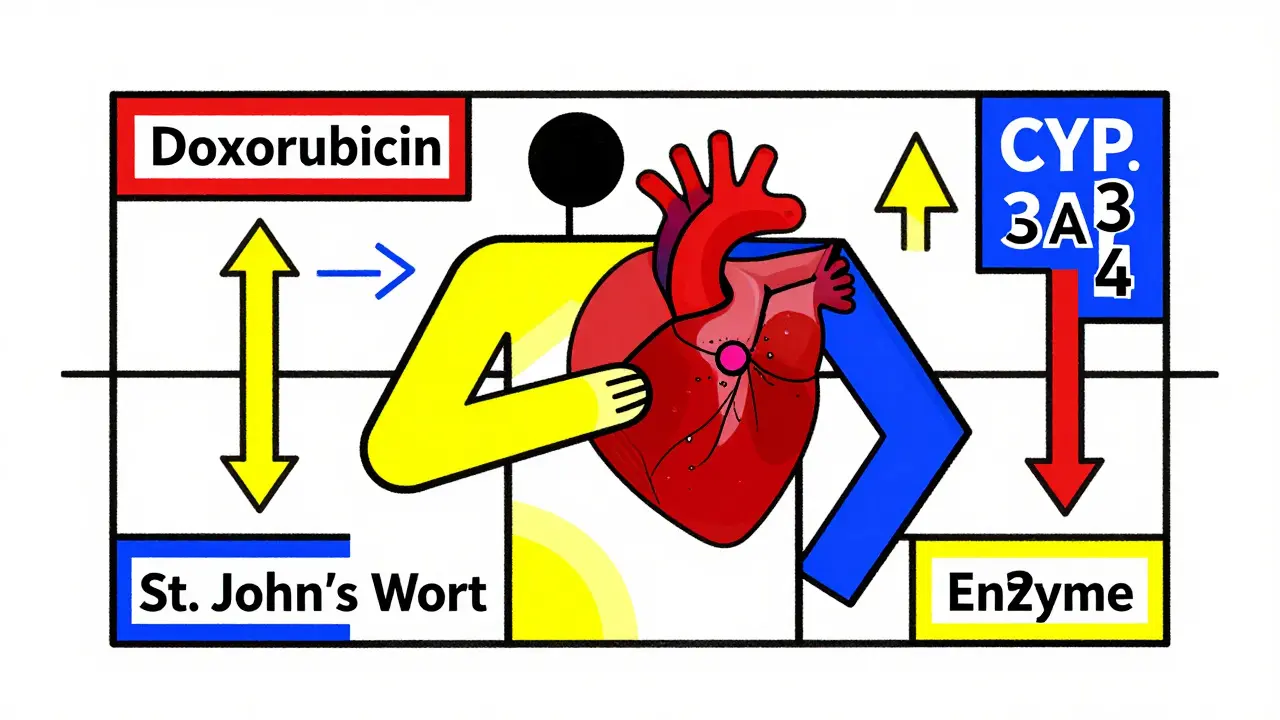
Chemotherapy and Drug Interactions in Cancer Patients: What You Need to Know
Mar 3 2026 / MedicationsChemotherapy remains a cornerstone of cancer treatment, but drug interactions can reduce its effectiveness or increase toxicity. Learn how common medications, supplements, and genetics affect chemo outcomes and what patients can do to stay safe.
VIEW MORE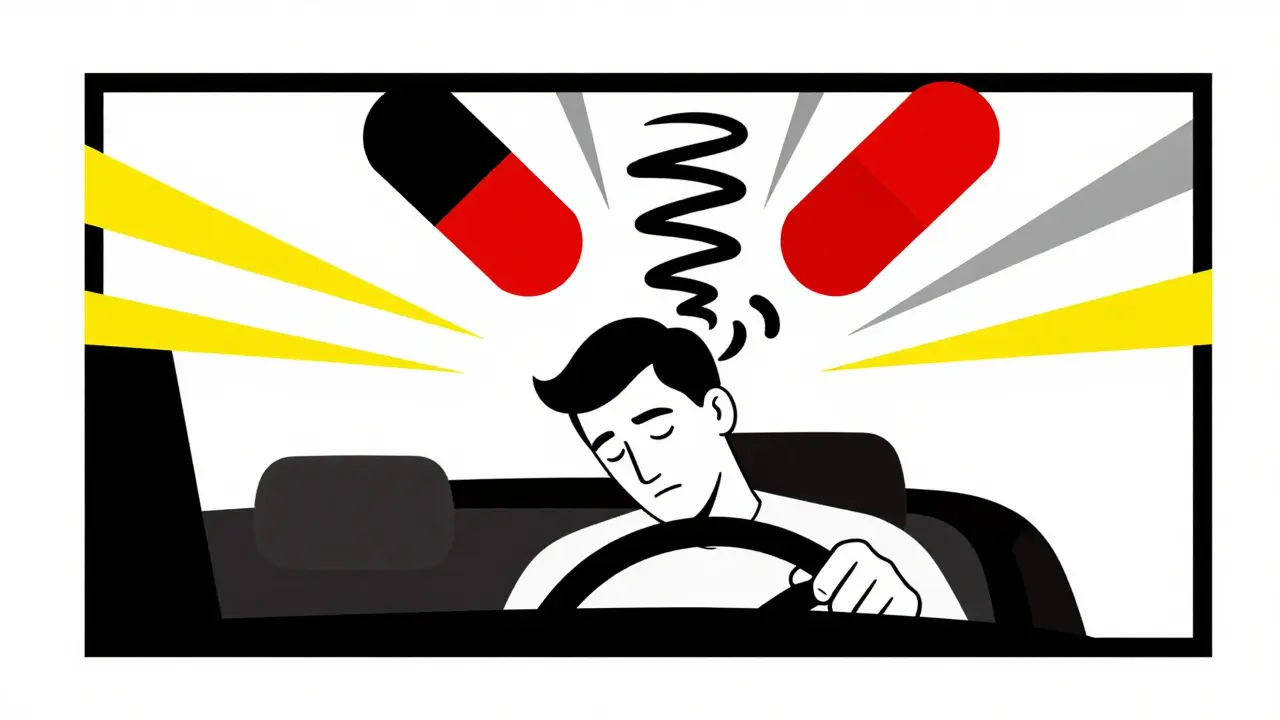
Antihistamines and Alcohol: Why Mixing Them Increases Drowsiness Dangerously
Feb 25 2026 / MedicationsMixing antihistamines with alcohol can dangerously increase drowsiness, impairing reaction time and increasing accident risk. First-generation drugs like Benadryl are especially risky, but even 'non-drowsy' options like Claritin and Zyrtec aren't safe with alcohol.
VIEW MORE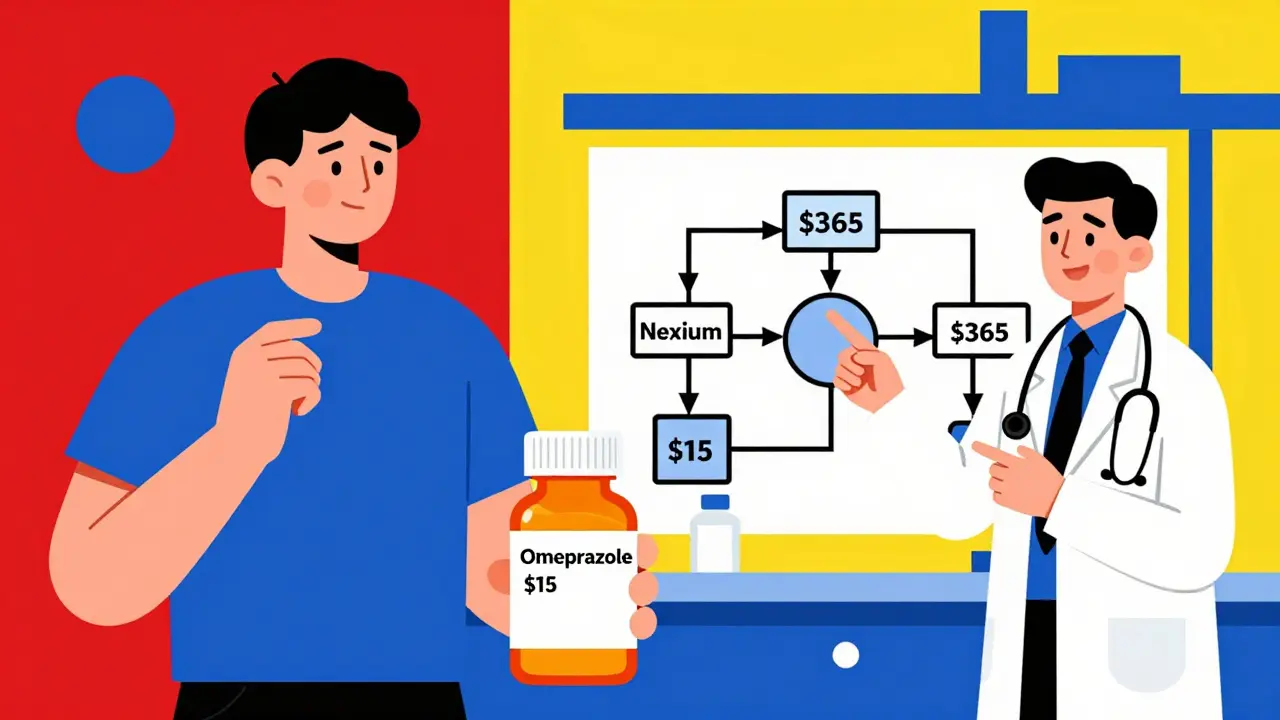
How to Request a Lower-Cost Therapeutic Alternative Medication
Feb 24 2026 / MedicationsLearn how to ask your doctor for a lower-cost therapeutic alternative medication that works just as well but saves hundreds each year. Real strategies, proven savings, and practical steps to get started today.
VIEW MORE